
Pilates vs yoga for beginners is a common question. Many new students ask the same thing. Which class will feel easy on day one? Which class will feel safe? Which class will you enjoy? You do not need to be fit to start. You do not need to be flexible to start. Both Pilates and yoga have easy classes for new students. Both can be changed to fit your body.
This guide uses easy words and short sentences. It will help you pick a first class with less stress. It also covers back pain, flexibility, breathing, seniors, cost, and a simple two-week plan. Neither Pilates nor yoga is a cure for a health problem. Neither one will give you a set result in a set number of days. If you have pain, an injury, or a health issue, ask a doctor first. Tell your teacher about any limits before class.
In this guide, you will also see beginner Pilates and yoga in a simple way. The goal is not to pick a winner. The goal is to pick a class you will attend again.
For a beginner home routine, see our yoga for belly fat loss at home guide.
What Is Pilates?
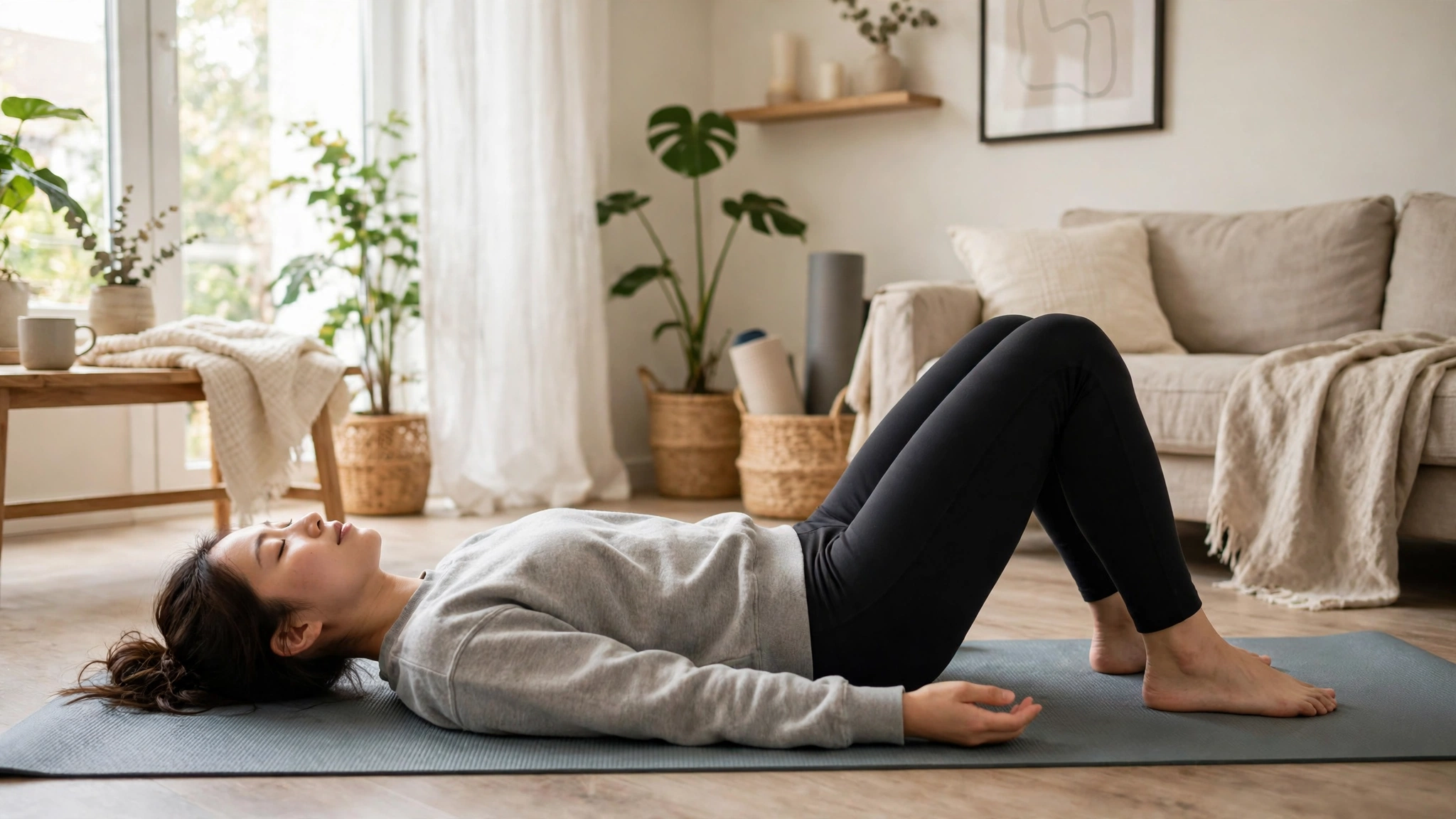
Pilates is a set of slow, controlled moves. Joseph Pilates made this system in the early 1900s. At first, he called it Contrology. The name fits the main idea. You control each move. You do not rush.
A Pilates class often focuses on:
- Your core muscles, deep belly muscles, back muscles, and pelvic floor
- Good posture and body position
- Breathing with each move
- Small, slow repeats, not fast or hard jumps
You can do Pilates on a mat. You need only your body weight. You can also do it in a studio on a machine called a Reformer. The Reformer uses springs. It can give you help and support. It often costs more than a mat class.
A good teacher gives clear steps. The teacher shows easy versions of each move. The teacher checks your form. That clear style helps many new students feel calm. You know what to do next. You do not need to guess.
Pilates or yoga for first-timers can feel new at first. In Pilates, each move has a clear start and a clear end. That can make it feel easy to follow.
What Is Yoga?
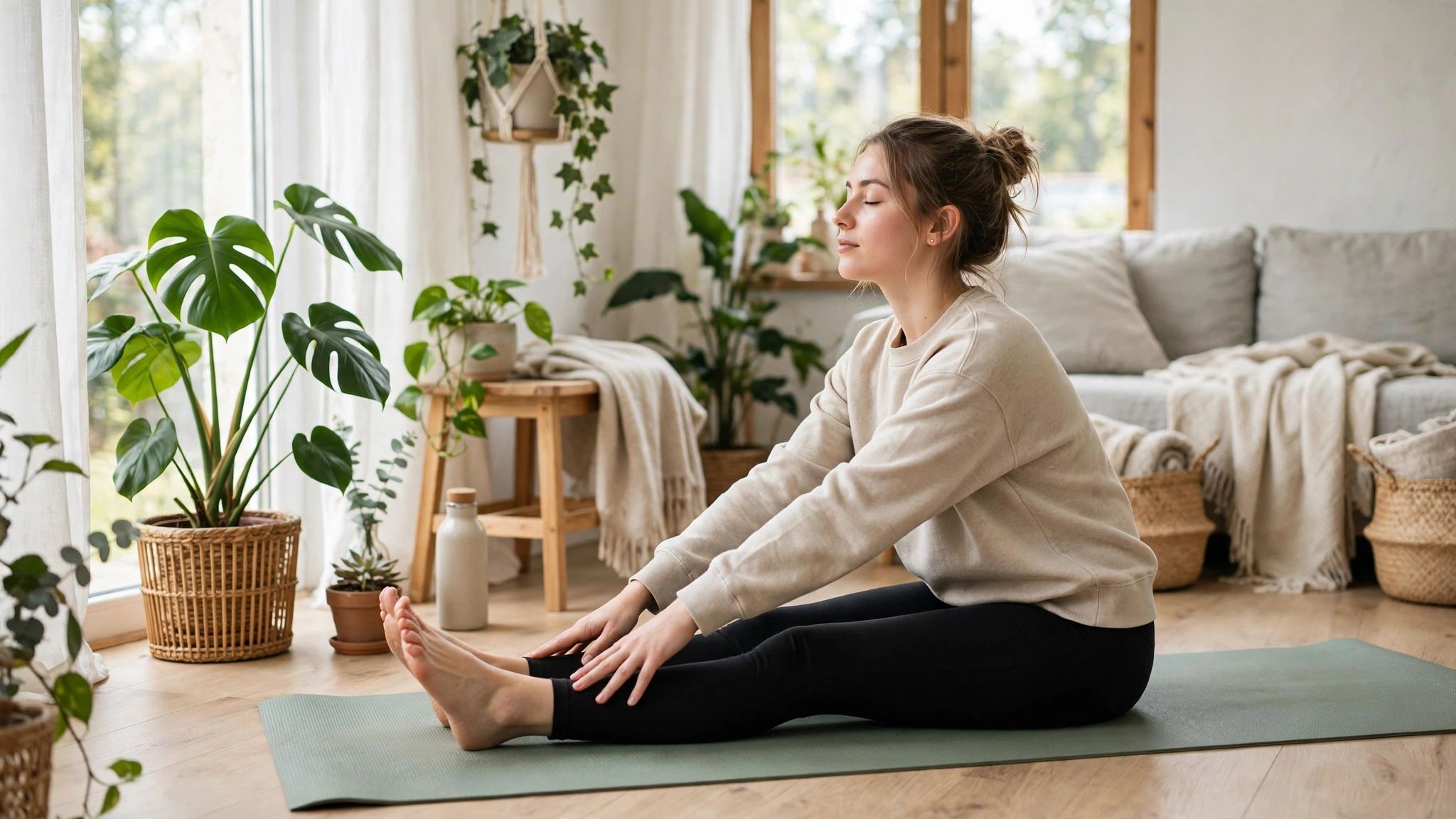
Yoga is much older. It comes from ancient India. In most modern classes, yoga mixes poses, breathing, and calm focus. Some classes focus mostly on moves and stretches. Some classes also add meditation or rest.
Easy yoga styles for new students include:
- Hatha yoga: slow, with time to learn each pose
- Restorative yoga: very gentle, with props and long rests
- Gentle flow: slow moves from one pose to the next
- Chair yoga: poses done with a chair for balance and help
Fast styles can feel hard for a first class. Power Yoga and hot yoga are two examples. For your first class, look for these words: beginner, intro, gentle, slow, or Level . Yoga needs only a mat. You may also use blocks or a strap. That makes it easy to try at home. But you may need to learn new pose names in the first classes. A slow class and a kind teacher make this much easier. If you are starting Pilates or yoga, start with a slow class. A slow class gives you time to learn. It also gives you time to rest.
Key Differences in Simple Words
| Topic | Pilates | Yoga |
|---|---|---|
| Main focus | Core strength, posture, and control | Flexibility, balance, and calm focus |
| How class feels | Step by step, with clear cues | Poses, flow, breathing, and rest |
| Tools | Mat, or Reformer in a studio | Mat, blocks, and straps if you want |
| Pace | Steady and controlled | Slow to fast, based on style |
| Breathing | Breath with each move, often into the ribs | Deep belly breath, or soft throat breath, or just normal breath |
| Good first pick if you want | Clear steps and core work | More stretch and calm time |
No class fits this table in every case. Teachers and class styles matter a lot. A gentle yoga class can feel easier than a hard Pilates class. A beginner Pilates class can feel easier than a fast yoga class.
This table gives a simple view of beginner Pilates and yoga. Use it as a start, not as a strict rule.
Which One Should You Pick First?
Both are good for new students. The best pick is the one you will keep doing.
Pick Pilates first if:
- You like clear steps and form cues.
- You want core strength and better posture.
- You feel unsure about balance or long pose holds.
- You want a workout-first class, with less talk about philosophy.
Pick yoga first if:
- You want more stretch, balance, and calm in one class.
- You like to learn poses at a slow pace.
- You want breathing and calm focus to be a big part of class.
- You want a low-cost start at home, with only a mat.
Pick either one, and try the other later, if:
- You are not sure what you like yet.
- You want both strength and flexibility.
- You can only do one class a week right now.
A good test is simple. Which class would you attend again next week? That class is the right first pick for you.
Back Pain: Yoga or Pilates?
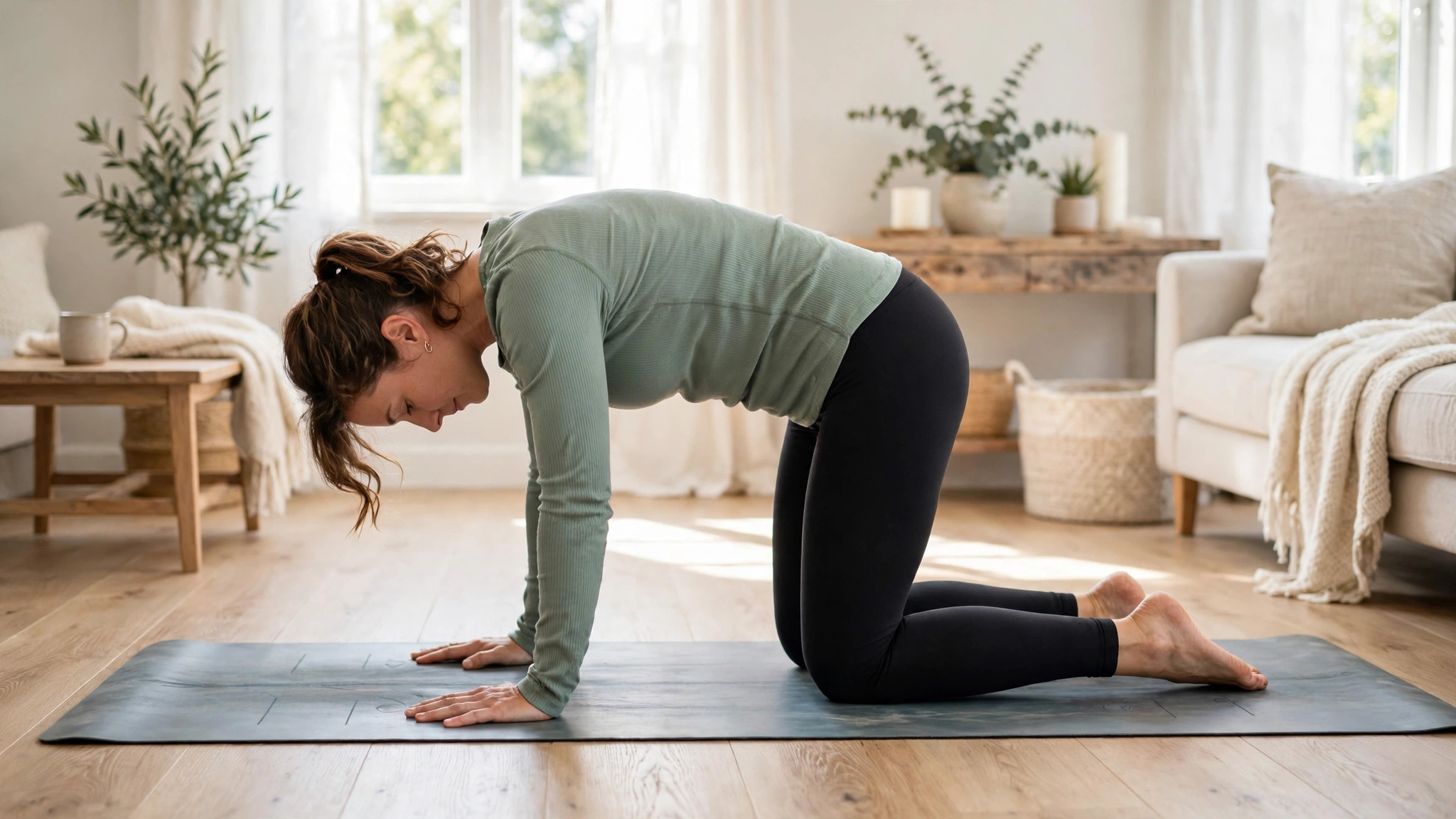
Back pain has many causes. No single answer fits all people. A move that feels good for one person can hurt another person. Start slow. Skip moves that add pain. Tell your teacher about limits before class.
Pilates is often picked for back support. It works on deep core muscles. It works on control and posture. That can help some people feel more stable.
Yoga is often picked for back comfort. It adds gentle moves for hips and hamstrings. It adds rest and calm. Gentle Hatha or restorative yoga may feel better than a fast flow class if your back is sore.
For back pain, a safe first class is:
- A beginner or gentle class, not an advanced class
- Small moves, not big moves
- Clear easy versions
- Time to rest, or to use a chair or wall
If pain is severe, or starts after an injury, seek medical care. If you feel numbness, weakness, or changes in bladder or bowel control, seek medical care. If you have a fever with back pain, seek medical care. Do not push through these signs in class.
For a related gentle guide, see our complete guide to yoga for joint pain relief.
Flexibility: Yoga or Pilates?
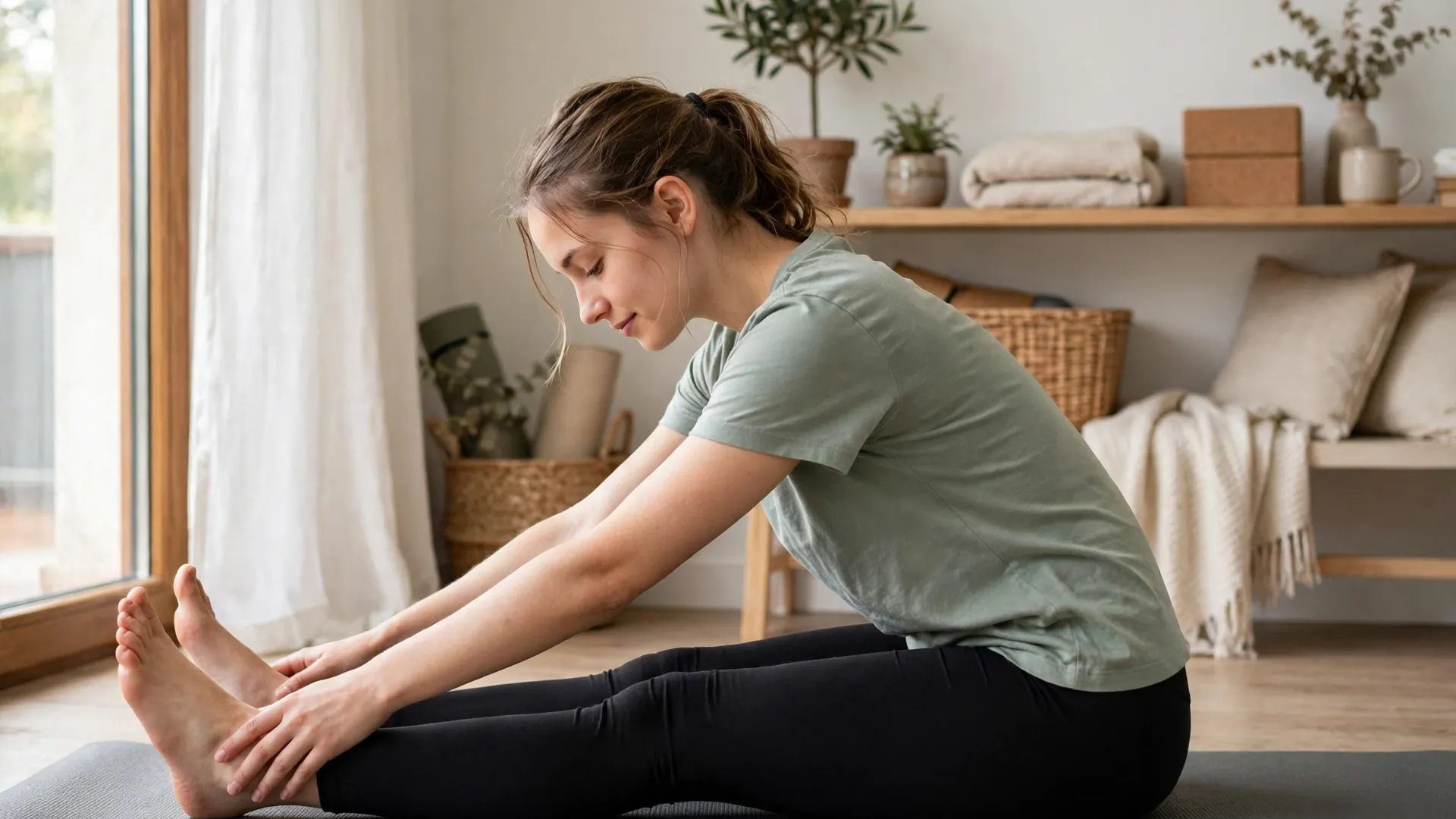
If flexibility is your main goal, yoga often gives you more stretch time. This is true in slow classes. Poses are held for a few breaths. That gives tight hips, hamstrings, and shoulders time to ease.
Pilates helps flexibility in a different way. It moves joints through a safe range while muscles work. That can build flexibility you can use and control. It is not just a passive stretch.
Think of it like this:
- Yoga: more time to stretch, more time to hold and breathe.
- Pilates: more strength through range, more stability and control.
Many new students gain from both. Yoga can open tight areas. Pilates can build strength to use that range in a safe way. If you can pick only one first, pick the one that fits your main goal. You can add the other later.
For gentle morning moves, see our morning stretches for stiff joints guide.
Breathing: How Yoga and Pilates Differ
Breathing matters in both, but teachers teach it in different ways.
In Pilates, breath goes with the move. A teacher may say: breathe in to get ready, breathe out as you move. A teacher may ask you to breathe into the sides of your ribs. The goal is control and support. Do not hold your breath.
In yoga, breath varies more. Some classes use normal breath. Some teach deep belly breath. Some teach ujjayi breath, a soft sound in the throat. Some classes teach breath work on its own. Some classes focus mostly on poses and mention breath only to help you stay calm. You do not need to master breath in your first class. Breathe in a normal way. If a breath style makes you dizzy, go back to normal breath and rest. Ask your teacher to explain cues if they feel confusing.
Pilates and Yoga for Seniors
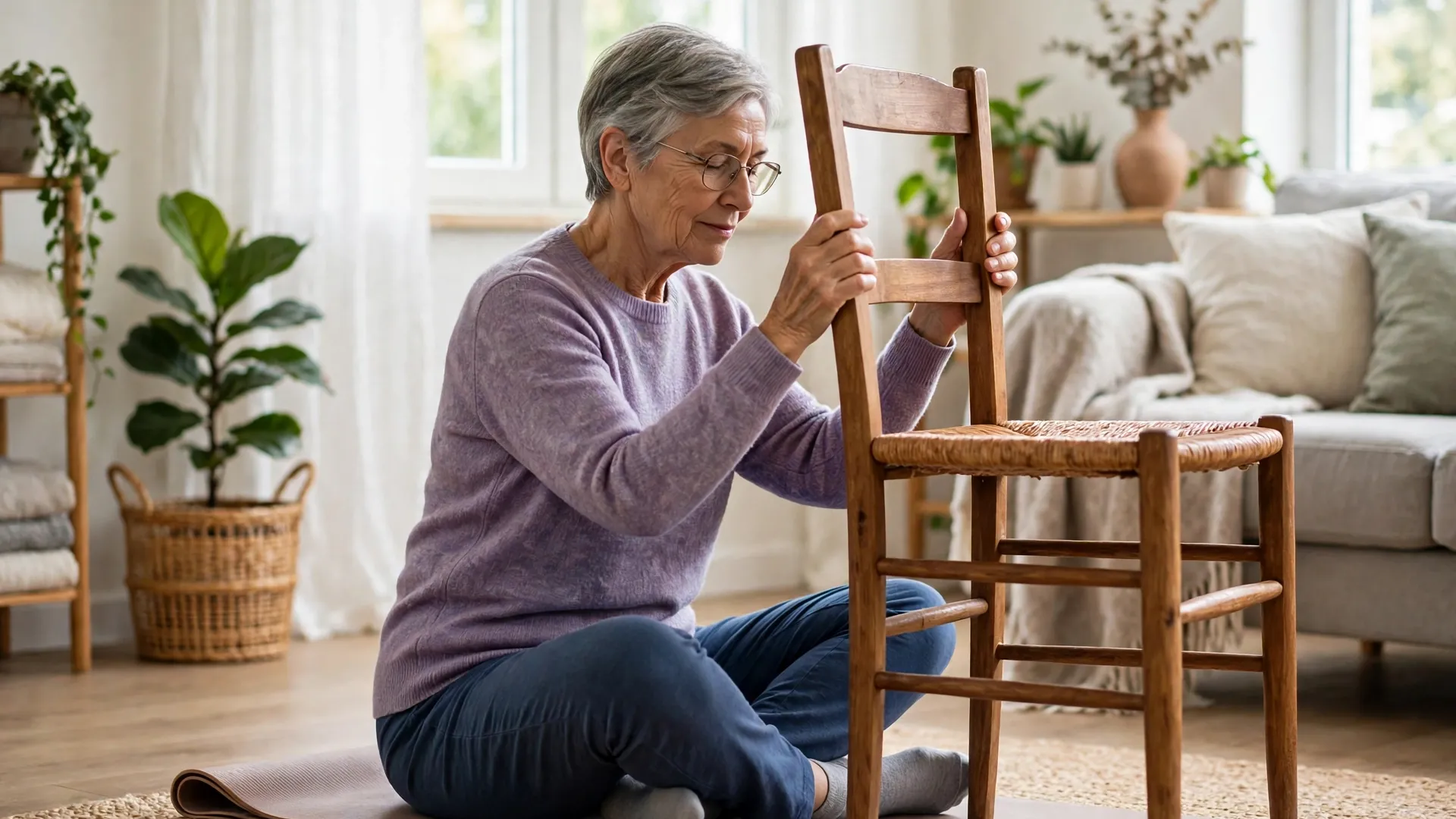
For older adults, the best class fits your balance, moves, and comfort. Look for slow moves, clear steps, and a chair or wall for help. Either practice can be changed to fit you. Neither one covers every fitness goal on its own.
Pilates for seniors often feels good because moves can be scaled with care. A mat, a chair, or studio tools can give support. Yoga for seniors often feels good because gentle and chair classes focus on balance, flexibility, and calm.
Pilates and yoga for new students who are older should start with these questions:
- Is this class marked beginner, gentle, or senior-friendly?
- Can I use a chair or wall for balance?
- Are moves slow, with time to stand up in a safe way?
- Does the teacher offer easy versions for knees, hips, or shoulders?
If you have a health issue, a recent injury, or a fear of falls, ask a doctor first. Tell your teacher about limits before class, not during a fast move.
For senior-friendly moves, see our guide to low impact yoga for seniors with joint pain.
Pilates and Yoga Combined
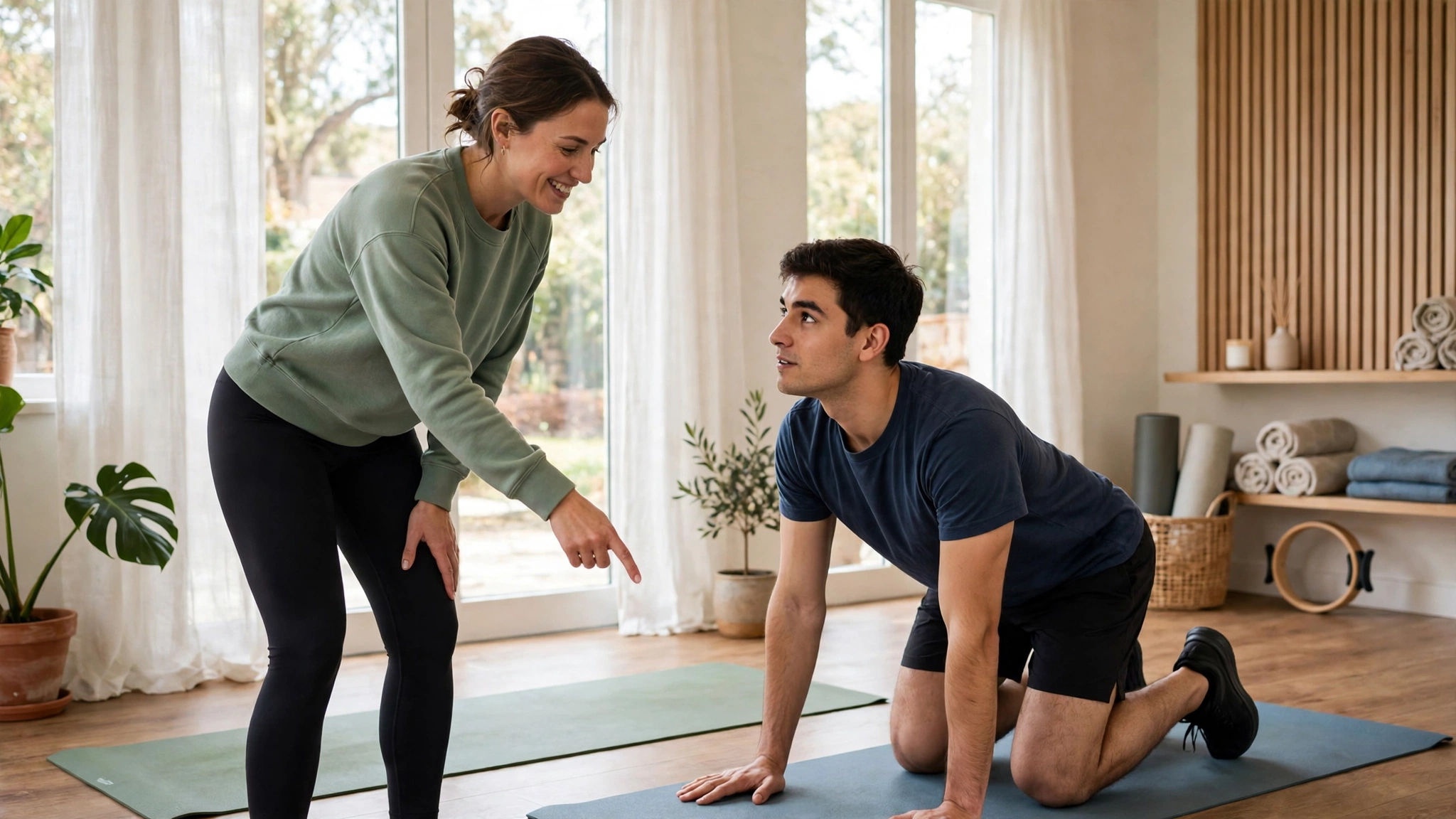
You do not need to pick one for life. Many new students mix both. Pilates can build strength and stability. Yoga can add flexibility, balance, and calm. Together, they give a balanced week with low impact.
A simple week could look like this:
- Day 1: Beginner mat Pilates, 20 to 30 minutes, for core and posture.
- Day 3: Gentle yoga, 20 to 30 minutes, for stretch and balance.
- Day 5: A short walk, plus 10 minutes of gentle Pilates or yoga, whichever felt better.
Start with two sessions a week, not five. Rest days matter. Your body needs time to learn new moves. If you feel very sore the next day, make the next session shorter. Do not skip all moves for a week.
Pilates and yoga for new students can work well together. The key is a pace you can keep. A plan you can keep beats a hard plan you quit.
Spirituality in Yoga and Pilates
Yoga has old roots in philosophy and spirit. But modern classes vary a lot. Some classes focus only on poses. Some add meditation, breath work, or talk about yoga ideas. If this matters to you, ask your teacher what the class includes.
Pilates classes focus mostly on moves and body work. Some teachers add calm focus, because Pilates needs care and attention to form. But Pilates does not often teach spirit or philosophy.
Neither way is right or wrong. It is a personal choice. If you want only body work, pick a workout-first Pilates class or a gentle Hatha class with little philosophy. If you want meditation and ideas too, pick a yoga class that says so in its plan.
Pilates vs Calisthenics
Pilates vs calisthenics comes up a lot. Both use body weight, but they feel different.
Calisthenics uses bodyweight moves such as push-ups, squats, pull-ups, and dips. It builds strength and skill. It can feel hard at first. It needs more upper-body strength to start, though easy versions exist.
Pilates uses small, controlled moves. It focuses on core stability, body position, and care. It is often low impact. It is often easier to scale for new students. It is also easier for people with sore joints or low trust in strength work.
For a full beginner, Pilates is often the gentler first step. You can add calisthenics later if you like strength work and want more upper-body moves.
How to Find a Class Near You
A class near you is not always a good beginner class. Use this list before you book:
- Is the class marked beginner, intro, or gentle?
- Does the teacher welcome new students and show easy versions?
- Is the class small enough that the teacher can see your form?
- Do you need a mat or a Reformer, and is the cost clear?
- Can you rest, pause, or leave early if you feel unwell?
- What is the cancel rule if the class does not suit you?
For yoga, ask these too:
- What style is it? Hatha, gentle, restorative, and chair yoga are often safe first picks.
- How fast is the class? A slow class gives you time to learn poses.
- Are props there? Blocks and straps make many poses easier.
If you cannot find a good class near you, a short beginner video at home can be a good start. Pick a short session. Follow easy versions. Stop if a move hurts.
What Happens in Your First Class?
A first Pilates class often starts with breath and core work. Then it moves through a set of mat moves. The teacher may fix your pelvis, shoulders, or head position. That help is normal. It does not mean you failed.
A first yoga class often starts with breath and gentle warm-up poses. Then it moves through standing, seated, and resting poses. The teacher may use pose names you do not know yet. That is normal. Follow the broad shape of the pose. Keep your range small. Rest in Child’s Pose when you need to.
For both, bring:
- Comfy clothes you can move in
- Water
- A mat, if the studio does not give one
- Props you need, such as a block, strap, or cushion
Come 10 minutes early. Tell the teacher you are new. Mention pain or limits. Ask where to put your mat so you can see the teacher well.
Pilates or yoga for first-timers should feel kind, not scary. A good teacher will help you feel safe. A good teacher will not push you too far.
Common Mistakes to Avoid
- Picking an advanced class first: Start with beginner or gentle, even if you are fit in other sports.
- Forcing a stretch: A gentle stretch is enough. Forcing it can add pain and soreness.
- Holding your breath: Keep breathing in a steady way. If you hold your breath, pause and reset.
- Copying the person next to you: Their range and strength are different. Use your own safe range.
- Skipping rest: Rest is part of learning. Child’s Pose in yoga, or lying down in Pilates, is not a fail.
- Wanting fast results: Strength, flexibility, and balance grow over weeks, not in one class.
- Ignoring pain: Mild muscle work is normal. Sharp, shooting, or worse pain is a sign to stop and change the move.
If you are starting Pilates or yoga, keep moves small at first. Small moves done well beat big moves done with pain.
A Simple Two-Week Plan
This plan is for general new students with no health limit on moves. Change it to fit your week and comfort.
Week 1: Learn the basics
- Day 1: Beginner mat Pilates, 20 minutes, for breath and core.
- Day 2: Rest or a gentle walk.
- Day 3: Gentle yoga, 20 minutes, for Cat-Cow, Child’s Pose, and simple standing poses.
- Day 4: Rest.
- Day 5: Repeat the session that felt better, for 20 minutes.
- Day 6 to 7: Rest, or a short walk and gentle stretch.
This plan gives a simple view of beginner Pilates and yoga. It keeps each session short. Short sessions are easier to keep.
Week 2: Build a habit
- Day 1: Beginner mat Pilates, 25 to 30 minutes.
- Day 3: Gentle yoga, 25 to 30 minutes, for balance and flexibility.
- Day 5: Mix both in one week, on different days, if you have time.
- Other days: Rest, walk, or gentle morning stretches.
After two weeks, ask:
- Which class did I enjoy more?
- Which class left me feeling better the next day?
- Which class can I attend each week with no stress?
- Do I want to keep one, or mix both?
Your answers matter more than any general rank of Pilates vs yoga.
If you are starting Pilates or yoga, do not rush week 2. A habit you keep is better than a hard week you quit.
FAQs
Do I need to be flexible to start?
No. You do not need to be flexible to start either one. Beginner classes use easy versions, small ranges, and props. Flexibility grows slowly with gentle, steady practice.
Is Pilates harder than yoga?
It depends on the class. A fast yoga class and an advanced Pilates class can both feel hard. Beginner and gentle classes in both are made to feel doable. Reformer Pilates can feel harder than mat Pilates due to spring help and pull. Power Yoga can feel harder than gentle Hatha yoga.
Can I do both in the same week?
Yes. A lot of new students do both. Pilates can build strength that makes yoga poses feel more supported. Yoga can add flexibility and breath care that helps Pilates form. Start with two sessions a week in total, not two sessions a day.
Is yoga or Pilates better for weight loss?
Neither one gives a sure weight loss result. How hard a session feels depends on pace, time, moves, and effort. Steady moves are one part of weight care, along with food and other daily habits. Pick the one you can keep doing. Steady practice matters more than hard practice in month one.
Is yoga or Pilates better for seniors?
Both can be changed for seniors, with slow moves, chair or wall help, and clear steps. The best pick depends on balance, moves, and comfort. Ask a doctor if you have a health issue, injury, or fall risk.
What should I wear to my first class?
Wear comfy clothes that let you move and bend with no block. Most studios ask for socks or bare feet. Avoid very loose tops that fall over your face when you bend.
How often should a new student practise?
Two to three short sessions a week is a good start. Short, steady practice beats one very long, tiring session. Add time slowly, only if you feel well the next day.
Should I learn Pilates or yoga first?
Try an intro class in each if you can. Think about which style you enjoy, which teacher makes you feel safe, and which class fits your goals and week. If you can try only one first, pick Pilates for core strength and posture, or yoga for flexibility, balance, and calm.
Pilates or yoga for first-timers is best learned by trying, not just by reading. One short class can teach you more than a long list of pros and cons.
Conclusion
Pilates vs yoga for beginners does not have one winner. Pilates gives controlled strength, core stability, and clear steps. Yoga gives flexibility, balance, breathing, and calm. Both are low impact. Both can be changed to fit you. Both work best when you practise in a steady way.
Use this simple rule:
- Want clear steps, core strength, and posture work first? Start with beginner Pilates.
- Want stretch, balance, and a calm pace first? Start with gentle yoga.
- Want both? Start with one, add the other after two weeks, and keep the plan you enjoy.
Tell your teacher you are new. Use easy versions. Keep your breath easy and steady. Stop if a move hurts. That care matters more than picking the perfect practice on day one.
Pilates and yoga for new students should feel kind and doable. Start small, stay steady, and let your first classes show you what your body likes. For the broader comparison, see our Pilates vs. Yoga for Weight Loss, Flexibility & Beginners guide.
References
The following trusted health and research sources were reviewed to support the general guidance and evidence discussed in this article.
- Effects of Pilates on Body Posture: A Systematic Review — PMC / NIH
- Low-Back Pain and Complementary Health Approaches: What You Need To Know — NCCIH
- What You Can Do to Meet Physical Activity Recommendations — CDC
- What Counts as Physical Activity for Older Adults — CDC
- Physical Activity — WHO
This site’s team reviewed these health and research sources to help ensure the information is practical, evidence-informed, and responsibly presented.