
Joint pain make simple activities like walking, climbing stairs, or reaching overhead feel more difficult than usual. While the causes vary, gentle movement is often part of a healthy joint-care plan. Yoga for joint pain relief to improve flexibility, support natural movement, and reduce muscle tension when practiced safely and consistently. In this complete guide, you’ll learn beginner-friendly yoga poses, simple daily habits, essential safety tips, and practical ways to care for your joints while knowing when professional medical advice may be needed.

Understanding Joint Pain
Joint pain is discomfort, stiffness, or soreness that affects one or more joints and can make everyday activities more challenging. It may develop gradually because of repetitive movements, age-related changes, or prolonged inactivity, while injuries can trigger symptoms more suddenly. Gentle joint pain exercises are often recommended alongside other self-care strategies to help support comfortable movement.
Common symptoms include stiffness, tenderness, swelling, and a reduced range of motion that can affect walking, bending, lifting, or other daily activities. Recognizing these early signs and understanding common risk factors can help you choose appropriate self-care measures and know when it’s time to seek professional medical advice.
How Yoga Supports Healthier Joints
Yoga combines gentle movement, controlled breathing, and muscle engagement to support comfortable joint function. Research suggests regular practice may improve flexibility, reduce muscle tension, and encourage smoother movement. When performed with proper technique, yoga can become a valuable part of a balanced approach to maintaining healthy joints.
Before You Begin
A few simple preparations can help make your yoga session safer and more comfortable. Taking time to warm up, move with control, and respect your body’s limits reduces unnecessary strain while helping gentle yoga for joints feel more effective and enjoyable.
- Move slowly and avoid sudden movements.
- Modify poses to match your comfort level.
- Never force a stretch that causes pain.
- Breathe naturally throughout each movement.
- Warm up for a few minutes before practicing.
Remember that yoga isn’t about achieving the deepest stretch. Progress comes from steady, controlled practice, so focus on good technique and let your flexibility improve naturally over time.
10 Gentle Yoga Poses for Joint Pain Relief
A balanced yoga routine works best when it includes movements that gently support different joints throughout the body. The following poses focus on flexibility, stability, posture, and comfortable movement rather than targeting a single area. Practice each pose at your own pace and adjust it whenever needed.
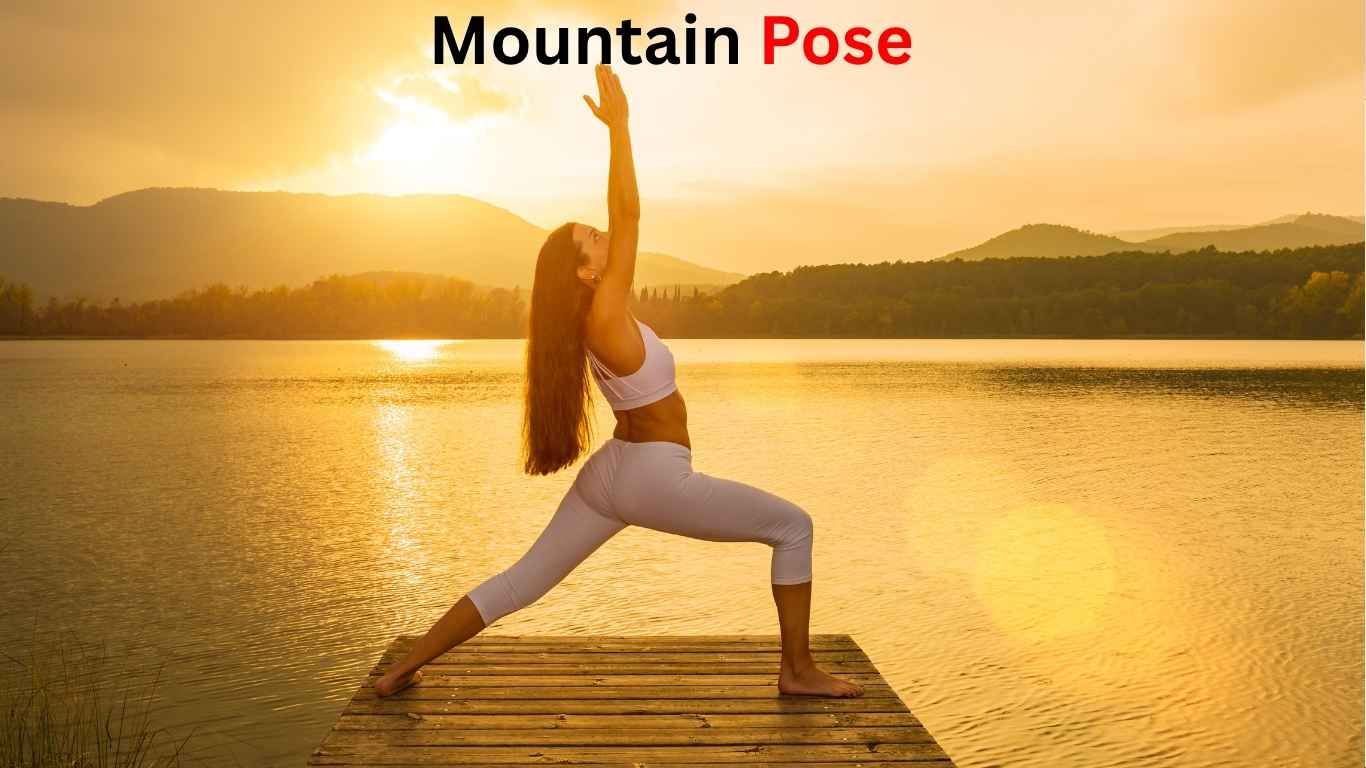
Mountain Pose
Mountain Pose is a beginner-friendly standing posture that creates a stable base for the rest of your yoga practice. It encourages proper posture, improves balance, and gently activates the muscles that help support your joints. As one of the simplest forms of yoga for joint pain, this pose also promotes better weight distribution and prepares your body for more challenging movements.
How to Practice
- Stand with your feet hip-width apart.
- Relax your shoulders and keep your spine neutral.
- Distribute your weight evenly across both feet.
- Breathe naturally for 30–60 seconds.
Benefits
- Supports healthy posture.
- Improves balance and stability.
- Encourages even weight distribution.
- Activates muscles around the joints.
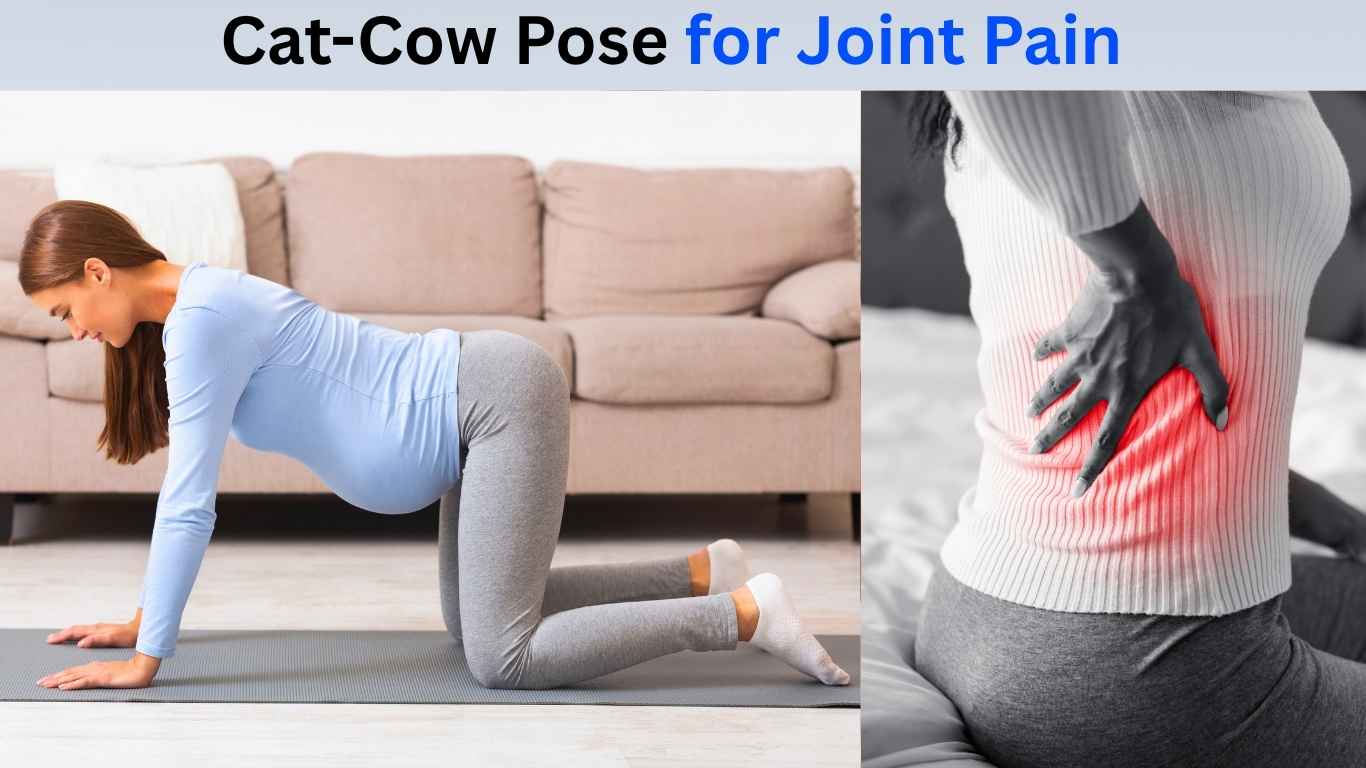
Cat-Cow Pose
Cat-Cow is a gentle flowing movement that helps your spine, shoulders, and hips move together in a smooth, controlled rhythm. Regular practice encourages better coordination, reduces muscle tightness, and may improve joint flexibility by guiding your body through a comfortable range of motion without placing excessive stress on the joints.
Steps
- Begin on your hands and knees with a neutral spine.
- Inhale as you lift your chest and gently arch your back.
- Exhale while rounding your spine and tucking your chin.
- Repeat slowly for 8–10 controlled breaths.
Benefits
- Encourages smooth spinal movement.
- Helps reduce muscle tightness.
- Supports comfortable joint motion.
- Improves overall body coordination.
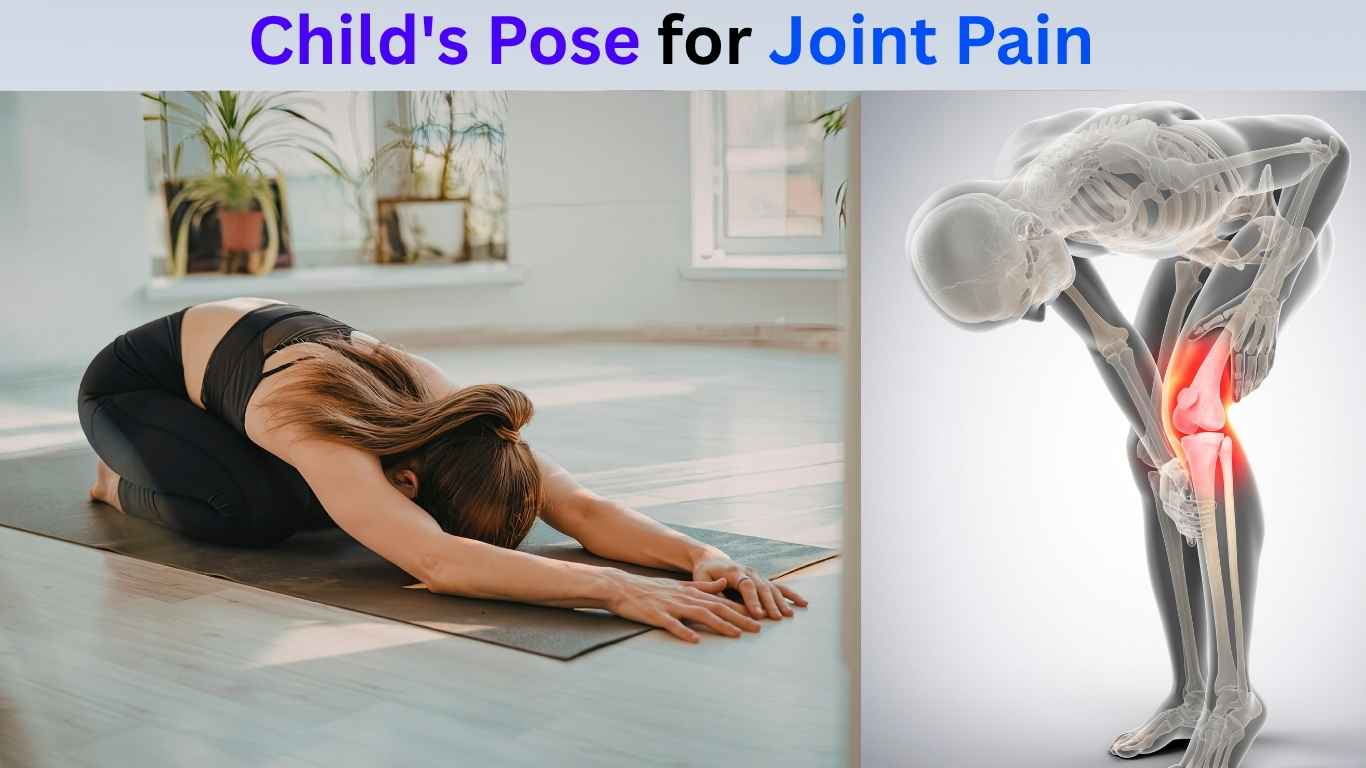
Child’s Pose
Child’s Pose is a gentle resting posture that helps your body slow down while releasing tension through the back, hips, and shoulders. Whenever my muscles feel tight after a busy day, I’ve found this pose to be one of the easiest ways to relax before continuing with the rest of my yoga practice. Keep your breathing slow and allow the stretch to develop naturally without forcing it.
How to Do
- Kneel on the floor with your knees comfortably apart.
- Sit your hips back toward your heels.
- Extend your arms forward and rest your forehead on the mat.
- Hold for 30–60 seconds while breathing slowly.
Benefits
- Relaxes tight muscles.
- Gently stretches the back and hips.
- Encourages calm, steady breathing.
- Helps you transition into the next pose comfortably.
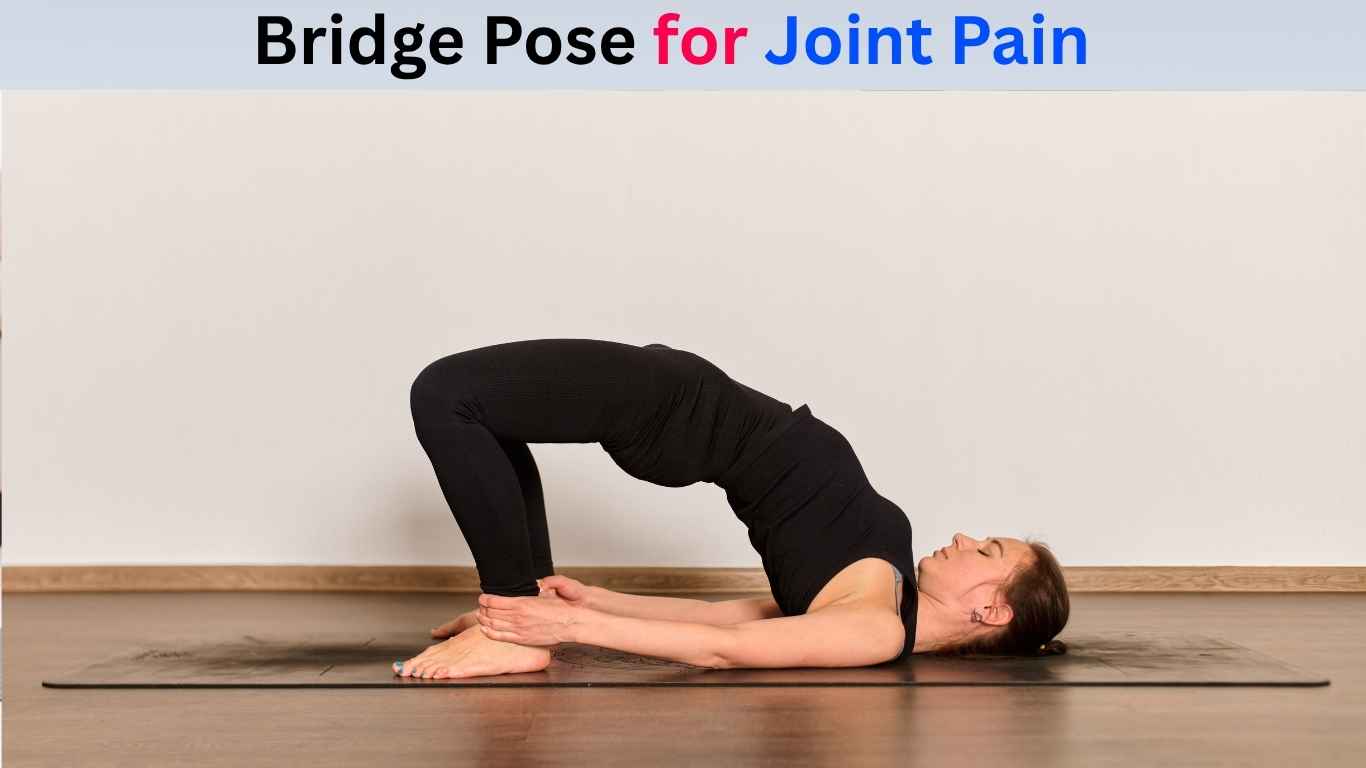
Bridge Pose
Bridge Pose gently strengthens the muscles that support your hips, lower back, and pelvis while encouraging better stability throughout the body. I’ve found it especially useful after long periods of sitting because it activates muscles that often become less engaged during the day. Lift your hips with control, avoid arching too far, and keep your breathing steady as you hold the position.
Lie on your back with your knees bent and your feet hip-width apart. Rest your arms comfortably beside your body with your palms facing down. Press through your feet to slowly lift your hips until your body forms a gentle straight line from your shoulders to your knees. Hold the pose for 20–30 seconds before lowering your hips back to the floor with control. Regular practice strengthens the muscles that support your hips and lower back while improving pelvic stability and posture. It also encourages controlled, balanced movement, making everyday activities feel smoother as your body becomes stronger and more stable over time.
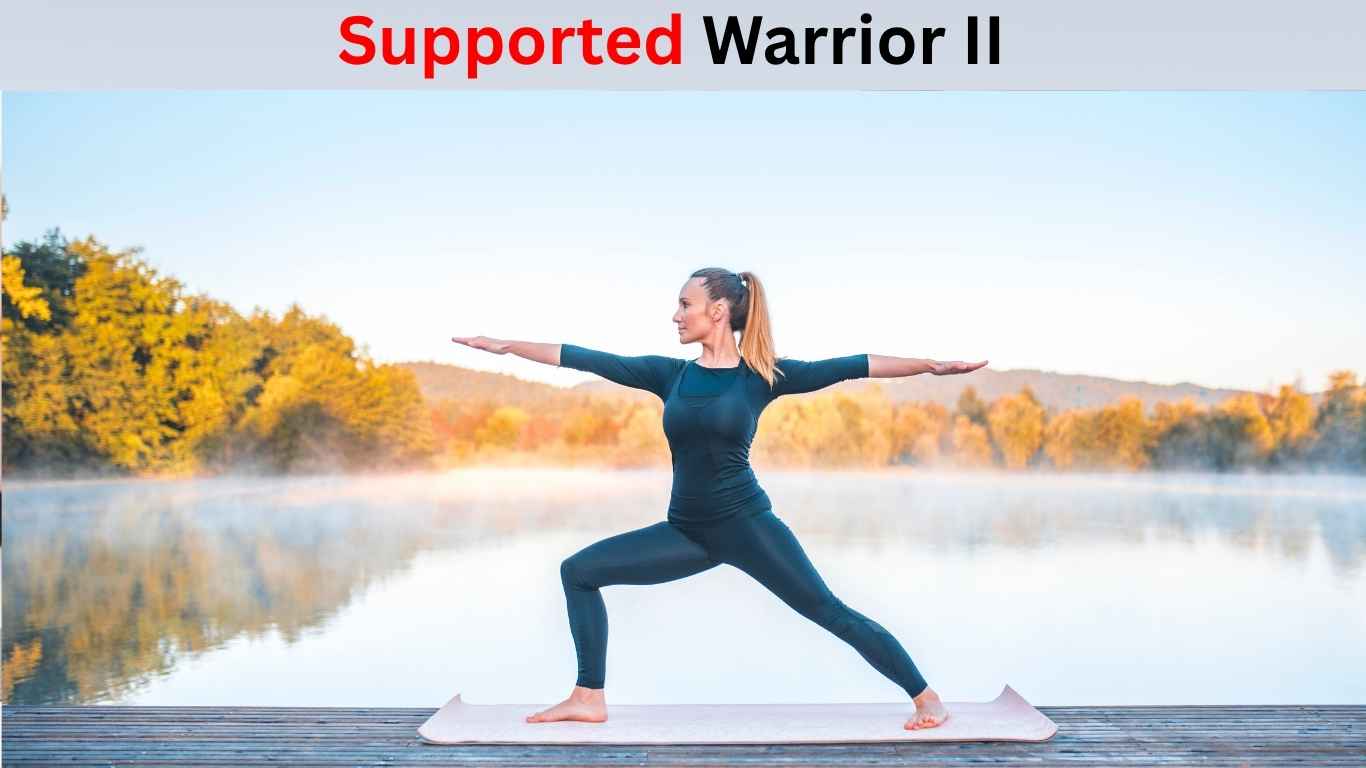
Supported Warrior II
Supported Warrior II is a modified standing pose that develops strength, balance, and stability while reducing unnecessary stress on the joints. Research on therapeutic yoga suggests that controlled weight-bearing movements can help maintain healthy joint function and confidence during everyday activities. From practicing this variation myself, I’ve found that using light support when needed makes it easier to focus on proper alignment instead of trying to hold a deeper position.
Practice
Stand with your feet comfortably apart and turn one foot outward. Bend your front knee slightly while keeping your back leg straight, using a chair or wall if extra balance is needed. Extend your arms to shoulder height, keep your chest open, and hold the position for 20–30 seconds before repeating on the opposite side.
Benefits
This pose helps improve joint flexibility while strengthening the legs and encouraging better balance. It also promotes healthy alignment and makes standing movements feel more controlled during daily activities.
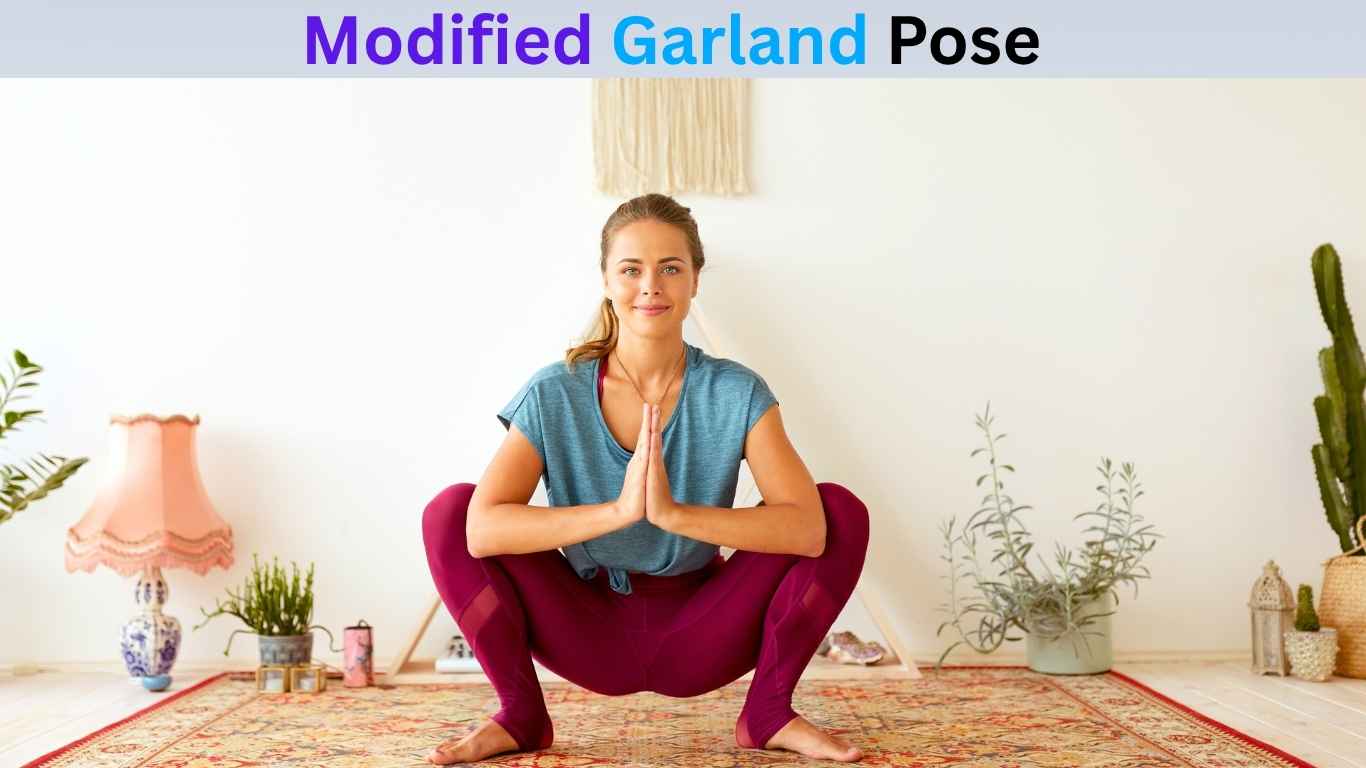
Modified Garland Pose
Modified Garland Pose is a beginner-friendly variation of the traditional squat that gently opens the hips while building strength through the legs. Reducing the depth of the squat or using a chair for balance makes the posture more accessible without placing unnecessary strain on the knees or ankles. Stay within a natural range and avoid forcing the position.
Practice
- Stand with your feet slightly wider than hip-width apart.
- Turn your toes outward slightly.
- Lower into a shallow squat while keeping your chest lifted.
- Use a chair for balance if needed, then return to standing slowly.
Benefits
- Increases hip flexibility.
- Strengthens the legs and glutes.
- Improves balance.
- Supports everyday functional movement.
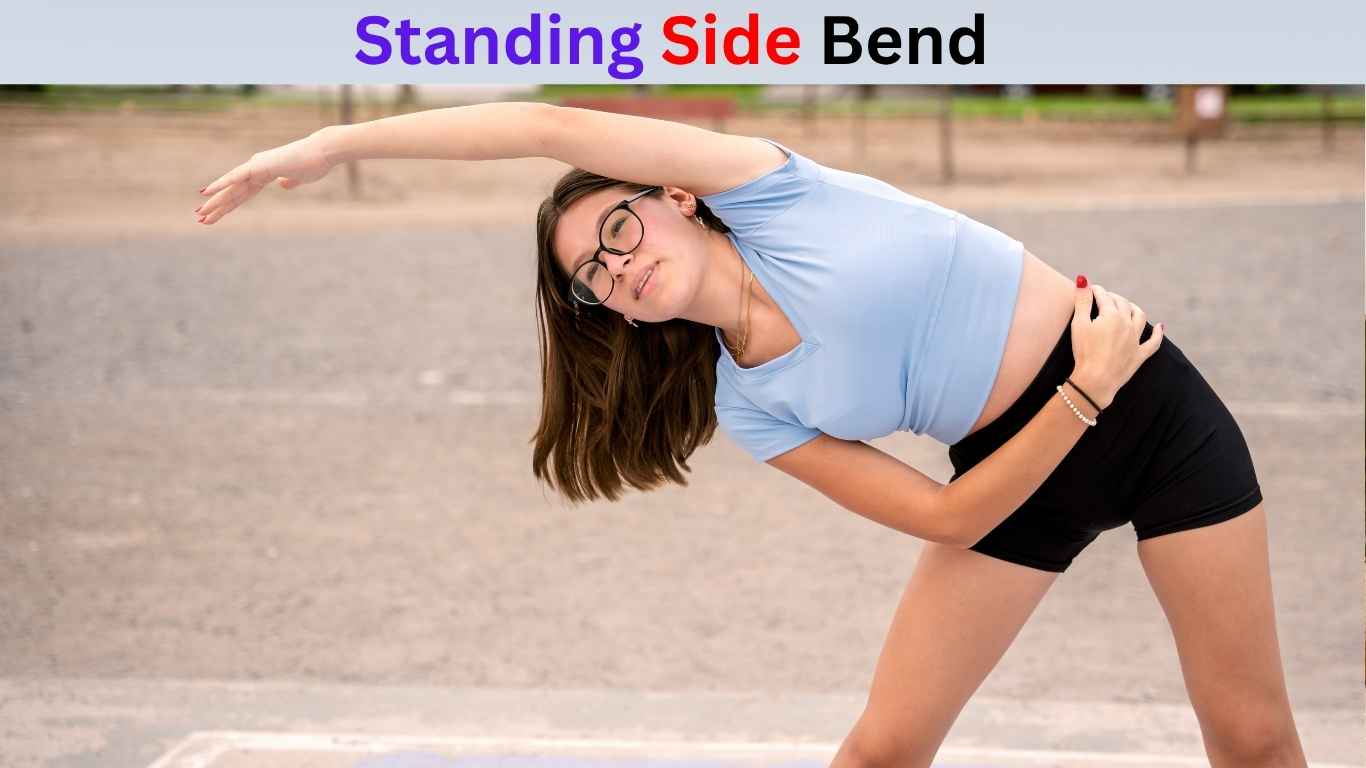
Standing Side Bend
Standing Side Bend gently lengthens the muscles along your waist, shoulders, and upper body while helping your spine move more freely. The stretch is easy to include before or after yoga practice and requires very little space. Keep both feet grounded and bend only as far as your body allows without twisting.
Practice
- Stand tall with your feet hip-width apart.
- Raise one arm overhead.
- Slowly lean toward the opposite side.
- Hold for 20–30 seconds before changing sides.
Benefits
- Improves side-body flexibility.
- Releases tension around the shoulders.
- Supports healthier posture.
- Helps the spine move more naturally.
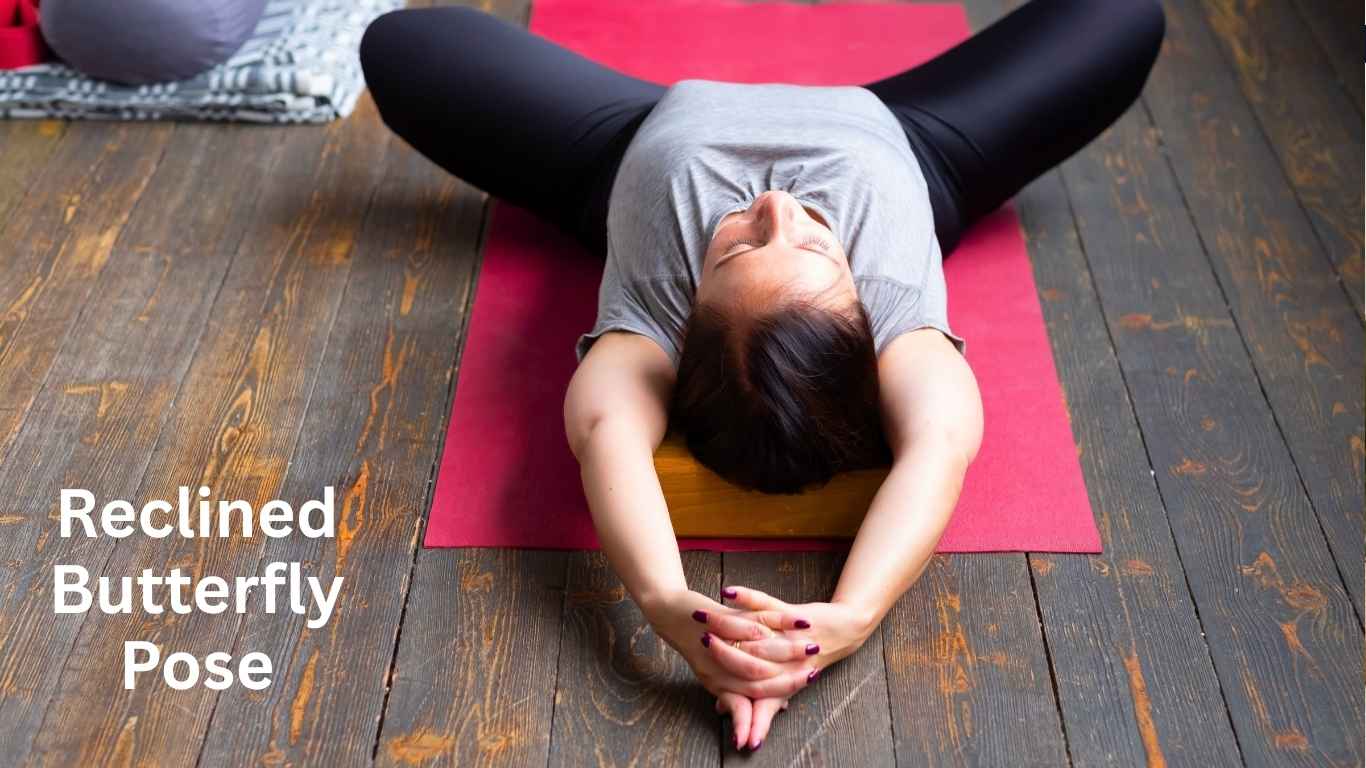
Reclined Butterfly Pose
Reclined Butterfly Pose is a restorative stretch that gently opens the hips and inner thighs while encouraging your body to relax. Because the floor supports your posture, very little pressure is placed on the joints, making the pose suitable for many beginners. I’ve found it especially helpful at the end of a session, when slower breathing makes it easier to release built-up muscle tension and unwind.
Getting Into Position
- Lie comfortably on your back with your knees bent.
- Bring the soles of your feet together.
- Allow your knees to open outward naturally.
- Rest your arms at your sides and stay in the pose for 30–60 seconds.
Why It Feels Refreshing
- Encourages gentle stretching through the hips and inner thighs.
- Helps relax tight muscles after activity.
- Promotes slower, steadier breathing.
- Leaves your body feeling calmer before finishing your practice.
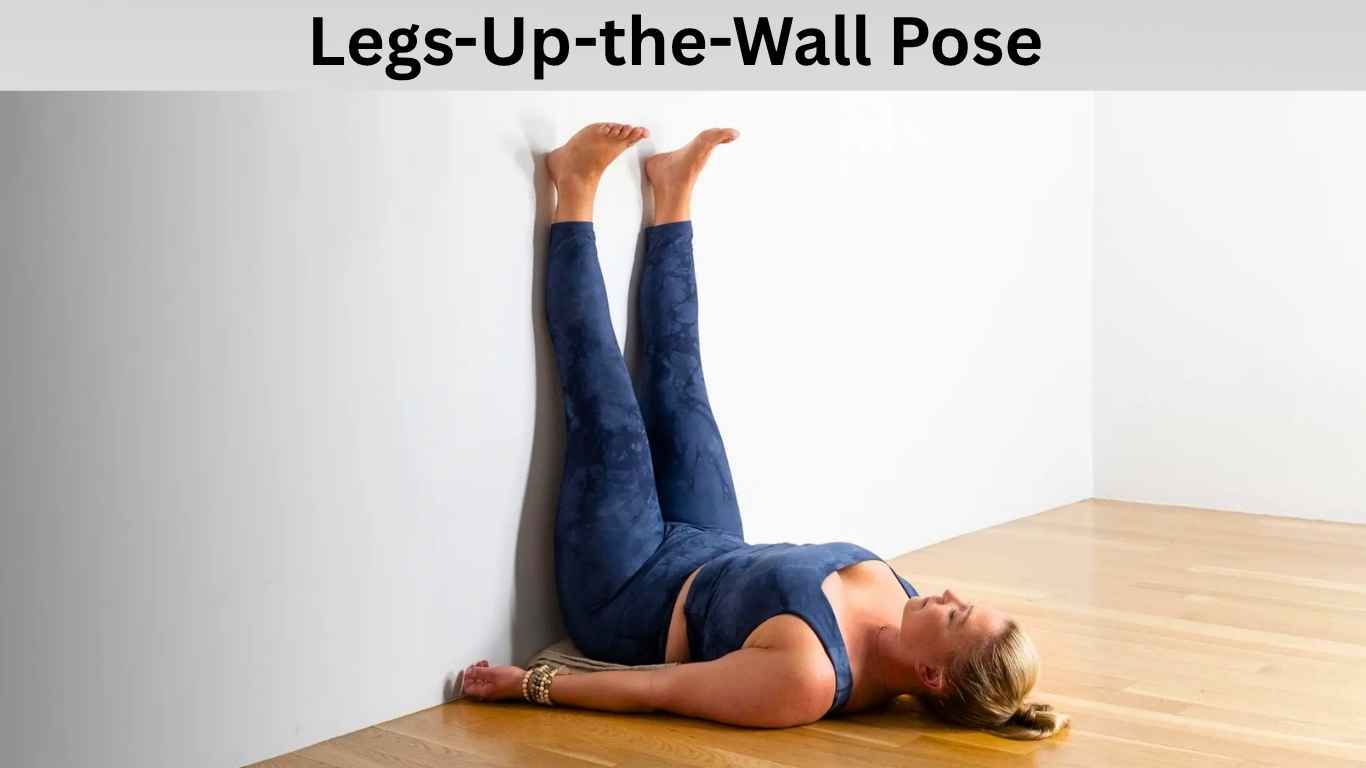
Legs-Up-the-Wall Pose
Legs-Up-the-Wall Pose is a restorative posture that places very little stress on the joints while encouraging your muscles to rest after activity. Research suggests that gentle restorative yoga may help promote relaxation and support overall physical recovery. It can also improve joint flexibility when included regularly as part of a balanced yoga routine.
Sit sideways against a wall and carefully lie on your back while swinging your legs upward. Adjust your position until your hips and lower back feel supported, then rest your arms comfortably beside you. Breathe slowly and remain in the pose for one to five minutes before lowering your legs with control.
This pose offers a gentle way to unwind after yoga, eases muscle tightness, and encourages slow, steady breathing. Because it requires very little effort, it’s also an excellent option for ending a session on a calm and comfortable note.
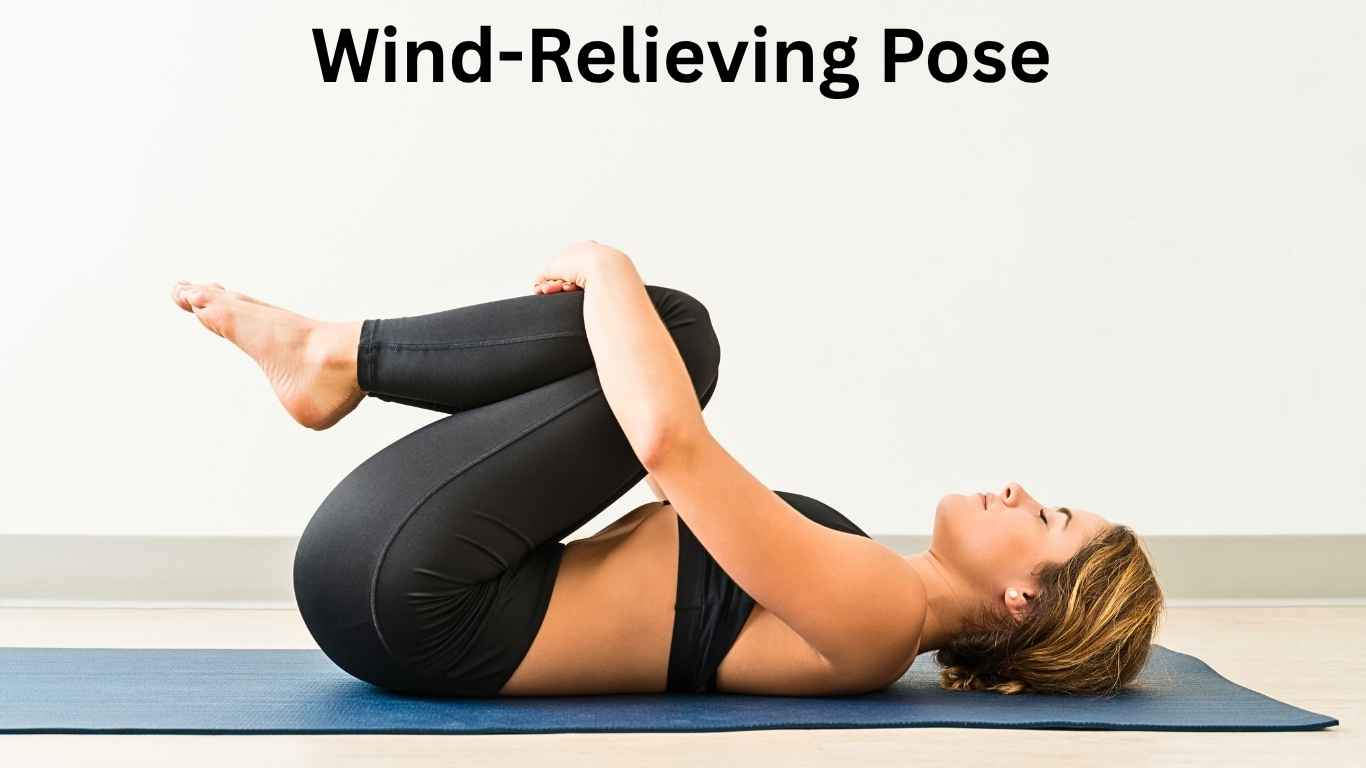
Wind-Relieving Pose
Wind-Relieving Pose is a gentle floor-based stretch that helps improve movement through the hips and lower back while encouraging your knees to move comfortably toward your chest. The slow, controlled position also supports relaxation, making it a suitable choice for ending a joint-friendly yoga routine without placing excessive stress on the body.
How to Do It
Lie comfortably on your back and draw one or both knees toward your chest. Wrap your hands around your legs without pulling forcefully, keep your shoulders relaxed, and breathe slowly for 20–30 seconds before returning to the starting position.
Why It Works
This pose gently stretches the hips and lower back, encourages smoother movement, and helps ease muscle tightness after a yoga session. Its slow pace also promotes relaxation, making it a comfortable way to finish your practice.
What Research and Regular Practice Can Teach Us
While reviewing current research on yoga, mobility, and therapeutic exercise, I found consistent evidence that regular, low-impact movement can support joint function, flexibility, and overall physical well-being when practiced appropriately. I also tried several of the poses included in this guide and found that shorter, well-structured sessions felt easier to maintain than long, demanding routines. Rather than focusing on stretching as deeply as possible, steady practice with good technique often provides a more sustainable approach to caring for your joints over time.
Build a 15-Minute Joint-Friendly Yoga Routine
A well-planned sequence is easier to follow than choosing exercises at random. This 15-minute session combines stretching, strengthening, and recovery in a balanced order, making it suitable for beginners. If you’re new to gentle yoga for joints, start with shorter holds and increase the time gradually as your confidence grows.
Here are short routine table:
| Step | Duration | Focus |
|---|---|---|
| Mountain Pose | 1 minute | Posture & balance |
| Cat-Cow Pose | 2 minutes | Spinal mobility |
| Child’s Pose | 2 minutes | Gentle stretching |
| Supported Warrior II | 2 minutes | Strength & stability |
| Modified Garland Pose | 2 minutes | Hip mobility |
| Bridge Pose | 2 minutes | Lower-body strength |
| Reclined Butterfly Pose | 2 minutes | Relaxation |
| Legs-Up-the-Wall Pose | 1 minute | Recovery |
| Wind-Relieving Pose | 1 minute | Cool-down |
The order gradually prepares your body before introducing more demanding positions and finishes with calming stretches that encourage recovery. While reviewing rehabilitation research, I found that combining strength, flexibility, balance, and relaxation within the same session is commonly recommended for maintaining healthy joint function. I also noticed that following a clear sequence felt much easier to stay consistent with than choosing different poses every day.
Healthy Daily Habits That Protect Your Joints
Healthy joints depend on more than exercise alone. Small daily habits can support comfortable movement, reduce unnecessary strain, and help you stay active over time. Pairing these habits with yoga for joint pain creates a well-rounded approach to maintaining joint health.
- Stay physically active throughout the day.
- Maintain a healthy weight to reduce joint stress.
- Drink enough water to support normal joint function.
- Aim for consistent, high-quality sleep each night.
- Include gentle movement during long periods of sitting.
Building healthy habits takes time, but small, consistent changes are often easier to maintain than making several major lifestyle adjustments at once.
Common Yoga Mistakes
Practicing yoga with proper technique is just as important as choosing the right poses. Small mistakes can place unnecessary stress on the joints and surrounding muscles, reducing the effectiveness of your routine. Paying attention to body alignment and controlled movement helps create a safer, more sustainable practice.
- Avoid locking your joints while holding a pose.
- Move at a slow, controlled pace.
- Maintain steady breathing throughout each movement.
- Spend a few minutes warming up before starting.
- Stop immediately if you experience sharp pain.
Perfect form isn’t the goal. Instead, prioritize controlled movements, gradual progress, and good technique. If discomfort continues or symptoms become worse, reduce the intensity and seek guidance from a qualified healthcare professional before continuing.
Different Joints Need Different Care
Although joint pain is often discussed as a single condition, different joints have different demands and may respond better to specific types of movement. Factors such as daily activities, previous injuries, age-related changes, and overall mobility all influence which exercises are most appropriate. This guide focuses on general joint care, but some situations benefit from a more targeted approach.
Knee Pain Needs a Different Approach
Knee pain isn’t always caused by the same problem, which is why one routine doesn’t suit everyone. Research on therapeutic exercise for knee osteoarthritis suggests that gradual progression, proper alignment, and low-impact movement can help reduce unnecessary stress on the joint. If your symptoms are mainly affecting your knees, a condition-specific yoga routine may provide more suitable guidance than a general program.
Looking for exercises designed specifically for knee arthritis? Continue with: Gentle Yoga for Knee Arthritis Pain
Morning Joint Stiffness Feels Different
Morning stiffness often develops because your joints remain inactive for several hours during sleep. Clinical guidance generally recommends beginning the day with slow, controlled joint pain exercises to encourage circulation and restore comfortable movement before daily activities. If stiffness is most noticeable after waking, following a dedicated morning routine may be more effective than waiting until later in the day. Looking for a step-by-step routine to loosen stiff joints each morning? Explore: Morning Stretches for Stiff Joints
Safe Yoga for Older Adults
Growing older often brings gradual changes in strength, balance, and joint mobility, making thoughtful exercise choices more important. Including gentle yoga for joints with slower transitions and simple modifications can help older adults stay active while reducing unnecessary strain during everyday movement.
- Choose slower transitions between poses.
- Use a chair or wall whenever extra stability is needed.
- Stay within a natural range of motion.
- Rest whenever a movement causes discomfort.
A routine developed specifically for older adults usually includes safer progressions, balance-focused exercises, and practical modifications that match changing physical abilities. Looking for a yoga routine designed for older adults? Explore: Low Impact Yoga for Seniors with Joint Pain
Better Joint Movement Starts With Mobility
Pain relief is only one part of long-term joint health. Research consistently shows that maintaining a good range of motion and muscle control plays an important role in everyday function. Adding joint pain exercises that focus on mobility can improve the way your body moves and make daily tasks feel easier over time.
Explore: Joint Mobility Exercises for Healthy Movement
Wrist and Finger Discomfort From Daily Tasks
Typing, writing, and repetitive hand activities can gradually increase stress on the small joints of the hands. Adding gentle yoga for joints alongside regular mobility breaks helps support comfortable hand function during everyday tasks.
- Take short breaks after prolonged typing sessions.
- Stretch your fingers and wrists several times daily.
- Keep your wrists in a neutral position.
- Avoid gripping objects too tightly for long periods.
- Change hand positions during repetitive tasks.
Consistent hand care can support daily comfort and flexibility. For a complete routine, explore the wrist and finger exercise guide below. Looking for targeted wrist and finger exercises? Read: Wrist and Finger Exercises for Joint Stiffness
Healthy Ankles Support Your Whole Body
Your ankles play an important role in balance, walking, and everyday stability. Clinical guidance recognizes ankle mobility as an important part of healthy movement because limited flexibility can affect the way your lower body functions. Adding joint pain exercises that encourage controlled ankle motion may help support better coordination during daily activities.
When stiffness or restricted motion makes walking or standing feel less comfortable, a dedicated mobility routine is often more effective than general stretching alone.
Explore: Ankle Mobility Exercises for Joint Flexibility
Sitting Too Long Can Make Every Joint Feel Tight
Spending hours in the same position can gradually reduce joint mobility and leave your muscles feeling stiff, even if you exercise regularly. Clinical recommendations encourage taking frequent movement breaks because changing positions throughout the day helps maintain flexibility and supports healthier joint function. Including gentle yoga for joints between work sessions can also make daily movement feel easier.
If stiffness becomes part of your daily routine, a few simple habits can make a noticeable difference. Discover practical ways to stay active and reduce stiffness after long sitting sessions: How to Reduce Joint Stiffness After Sitting.
When You Should See a Healthcare Professional
Seek medical advice if joint pain becomes severe, continues despite rest, or follows a fall or other injury. Swelling, numbness, progressive weakness, fever, difficulty bearing weight, or loss of bladder or bowel control should also be assessed promptly. A qualified healthcare professional can identify the underlying cause and recommend the most appropriate treatment or rehabilitation plan.
FAQ
Is yoga suitable for all types of joint pain?
Not always. Gentle yoga may support many people with mild joint discomfort, but some conditions require medical assessment before exercising. If pain is severe, follows an injury, or continues to worsen, consult a qualified healthcare professional first.
How often should I practice yoga for joint pain?
For many people, practicing yoga for joint pain three to five times each week provides a balanced starting point. Short, consistent sessions are usually easier to maintain than occasional longer workouts, especially when movements remain slow and controlled.
How long does it take to notice results?
The timeline differs for everyone and depends on factors such as consistency, overall health, and the underlying cause of joint discomfort. Some people notice gradual improvements within a few weeks, while others may require more time.
Should I stop if a pose causes pain?
Yes. A gentle stretching sensation is generally acceptable, but sharp or increasing pain is a signal to stop immediately. If symptoms continue after resting or become more severe, seek advice from a qualified healthcare professional.
Do I need any special equipment?
No. Most yoga routines require only a yoga mat or another supportive surface. Some people also prefer using a chair, yoga blocks, or a folded towel to improve stability during certain poses.
Can beginners practice these exercises safely?
Yes, provided the movements are performed with proper technique and within a comfortable range. Yoga for joint pain should be introduced gradually, and anyone with a recent injury or a diagnosed joint condition should seek professional guidance before beginning.
Conclusion
Building healthier joints takes consistency, not perfection. Yoga for joint pain relief works best when it’s combined with proper technique, regular movement, and realistic daily habits rather than occasional intense sessions. Start with beginner-friendly poses, progress at your own pace, and focus on steady improvement instead of stretching as deeply as possible.
If pain becomes more severe, follows an injury, or doesn’t improve with self-care, seek advice from a qualified healthcare professional. With patience and a well-structured routine, yoga can become a practical way to support long-term mobility, flexibility, and confident movement in everyday life.
📚 References
This article was developed using evidence-based guidance and educational resources from the following trusted organizations:
- Centers for Disease Control and Prevention (CDC) – Physical Activity
- National Institute of Arthritis and Musculoskeletal and Skin Diseases (NIAMS)
- World Health Organization (WHO) – Physical Activity
- American College of Rheumatology (ACR)
- PubMed – National Library of Medicine
- Cochrane Library
These references were consulted to support the educational information presented in this guide. They are provided for further reading and should not replace individualized medical advice.