
Knee pain making simple things like walking, climbing stairs, or getting up from a chair harder than they should be? Gentle movement may be a better starting point than pushing through intense stretches. Gentle Yoga for Knee Arthritis Pain help you explore low-impact poses designed to support flexibility, balance, and the muscles around your knees when practiced with proper modifications. In this guide, you’ll discover safe poses, adjustments, common mistakes, and safety tips. Keep reading to build a knee-friendly routine that fits your ability.
Looking for more ways to relieve joint discomfort? Explore our complete guide to Yoga for joint pain relief for gentle, practical ideas.
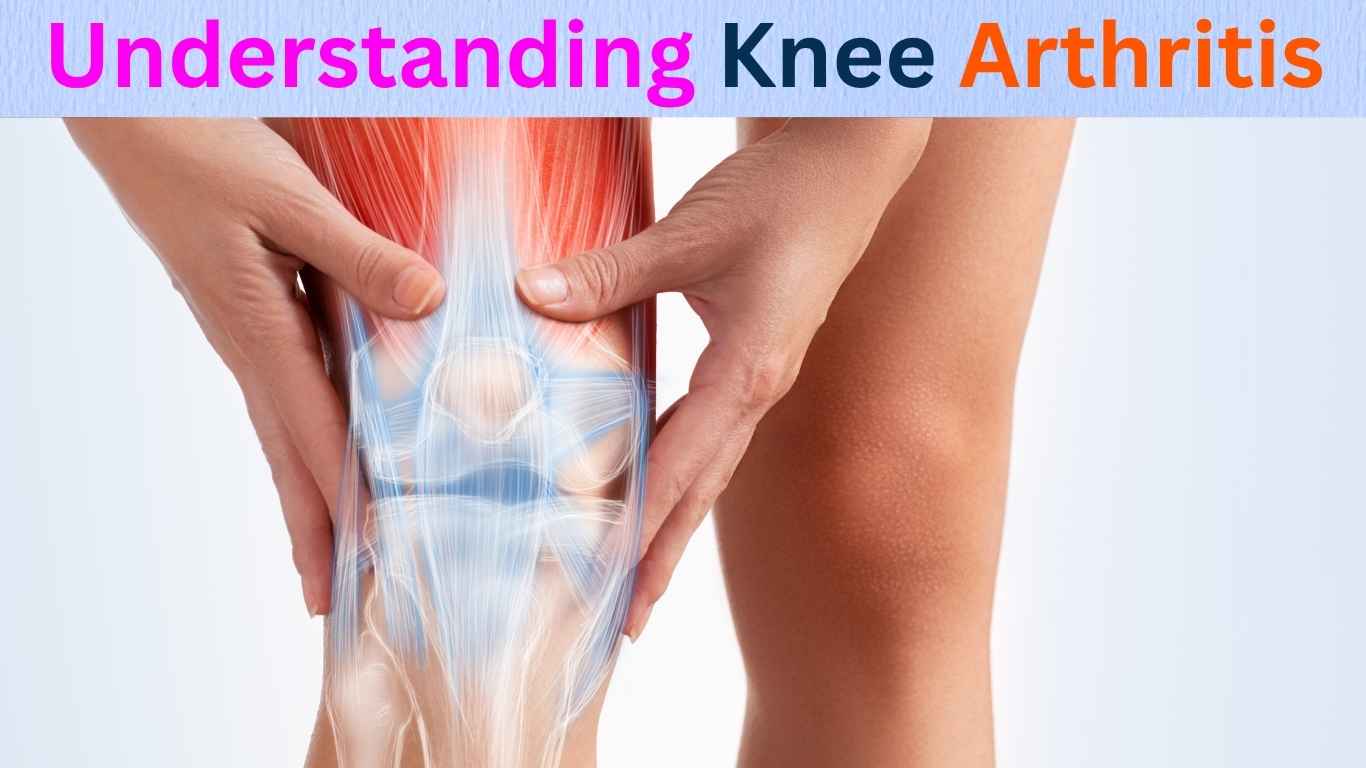
Understanding Knee Arthritis
Knee arthritis refers to changes in the knee joint that can lead to pain, stiffness, swelling, and reduced movement. Osteoarthritis is the most common form and develops as joint tissues break down over time. Symptoms may become more noticeable during activities that load the knee, such as walking, climbing stairs, or standing up.
The condition affects people differently, so the intensity and pattern of symptoms can vary. Understanding these changes is important before choosing knee arthritis exercises, because the right level of movement should match your symptoms, strength, and current physical ability.
Common Signs of Knee Arthritis
Knee arthritis can affect how comfortably you move through everyday activities, with symptoms ranging from mild stiffness to more noticeable discomfort. Recognizing common signs can help you understand how your knees are responding to activity.
- Pain around the knee during or after activity.
- Stiffness, particularly after periods of inactivity.
- Swelling or tenderness around the joint.
- Reduced range of motion when bending or straightening the knee.
- Difficulty walking, climbing stairs, or standing up.
Symptoms can vary from person to person, so the presence or severity of one sign does not necessarily indicate how advanced the condition is.
How Gentle Yoga May Support Arthritic Knees
Gentle yoga may be a useful addition to a broader exercise plan for knee arthritis. Current evidence suggests it may improve pain, stiffness, and physical function, although the research remains limited and further high-quality studies are needed. Slow, controlled poses can support flexibility, muscle strength, balance, and everyday physical function without placing unnecessary demands on the knees. If your goal is to improve range of motion more broadly, explore our Joint Mobility Exercises for Healthy Movement guide for a targeted approach.
8 Gentle Yoga Poses for Knee Arthritis Pain
If knee arthritis makes movement feel stiff or uncomfortable, the right poses should feel supportive rather than demanding. The following eight options focus on controlled movement, gentle flexibility, balance, and muscle support around the knee. Use modifications whenever needed, stay within a manageable range, and never force a position that increases pain.
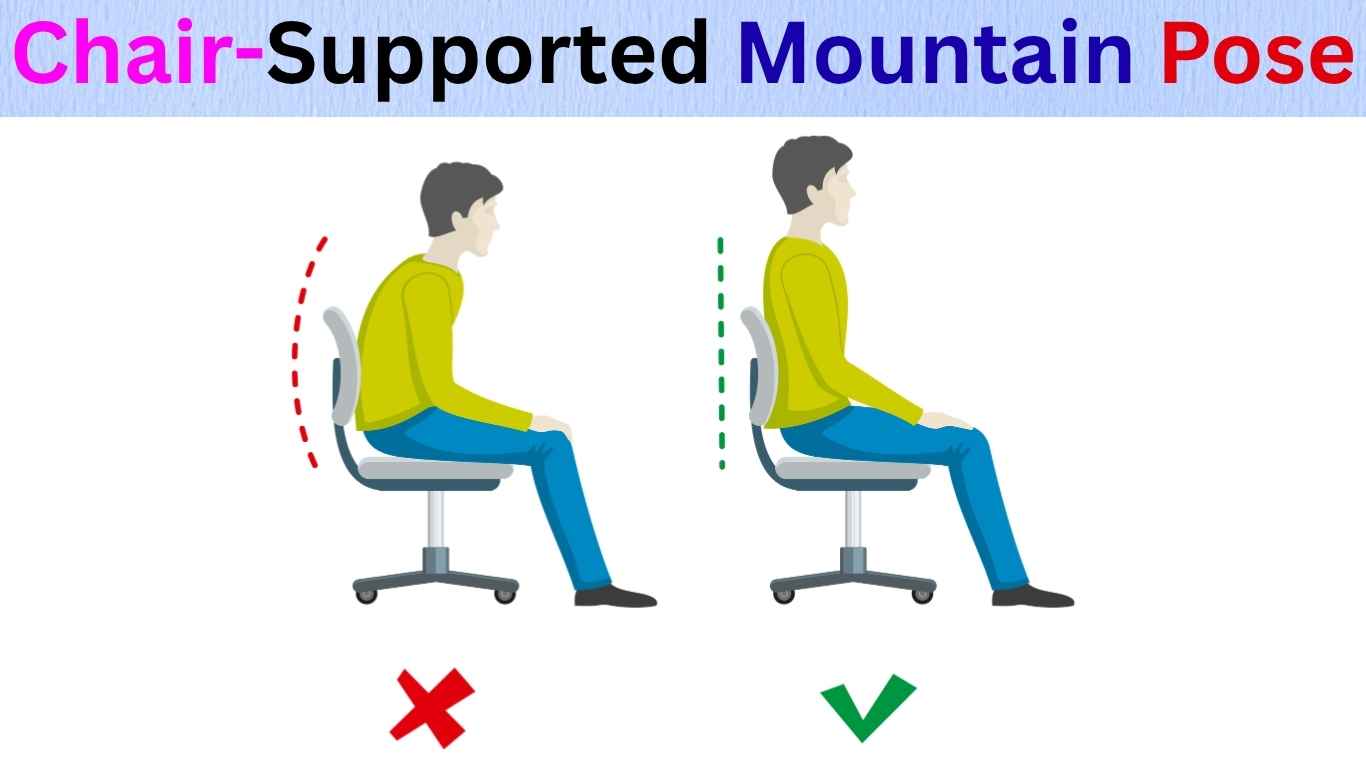
Chair-Supported Mountain Pose
Chair-Supported Mountain Pose provides a stable way to practice standing alignment without placing unnecessary stress on an arthritic knee. Stand behind a sturdy chair, place one or both hands on it, and keep your feet comfortably apart. I’ve found this setup useful when my balance feels less steady, allowing me to concentrate on posture rather than worrying about losing support. Relax your knees, distribute your weight evenly, and breathe slowly for 30–60 seconds. This simple position encourages stability, engages supporting muscles, and offers a gentle knee arthritis exercise without requiring deep bending or excessive pressure through the knees.
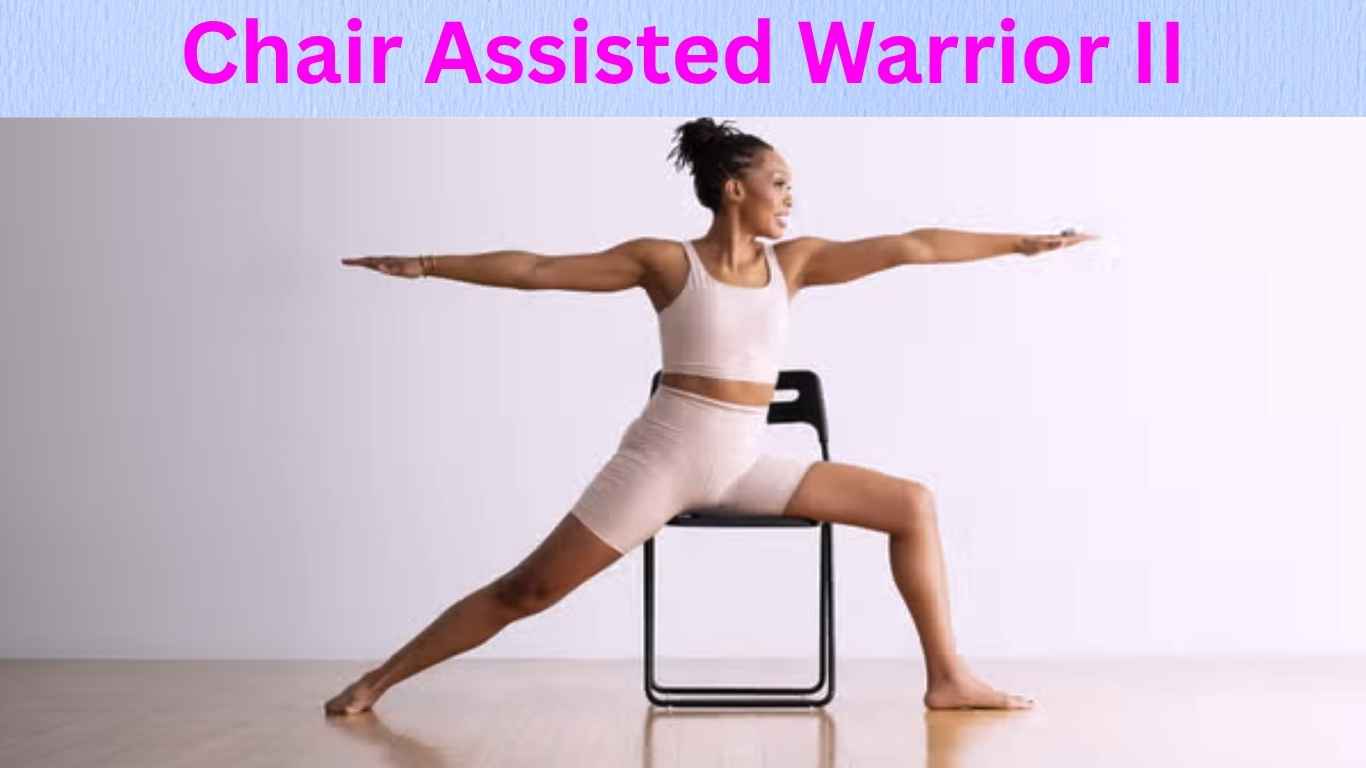
Chair-Assisted Warrior II
Chair-Assisted Warrior II offers a supported standing variation that lets you practice leg alignment without relying on a deep knee bend. Stand beside a sturdy chair and hold the backrest with one hand. Step your feet comfortably apart, turn the front foot outward, and slowly bend the front knee only within a manageable range. Keep the knee aligned with the foot rather than letting it move inward. Hold for 20–30 seconds while breathing steadily, then straighten the leg slowly. This modification encourages leg strength, balance, and body control while keeping pressure on the arthritic knee manageable.
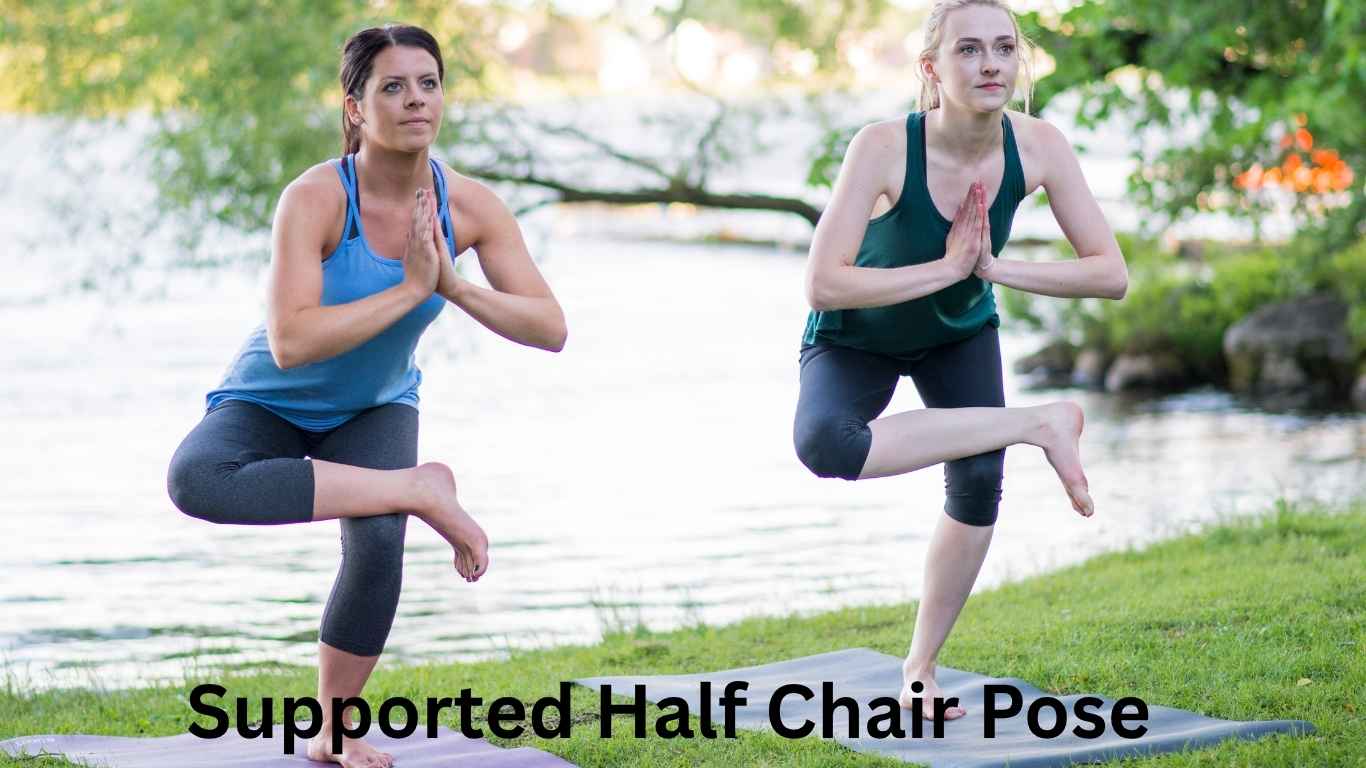
Supported Half Chair Pose
Supported Half Chair Pose introduces a shallow squat-like movement while the chair provides extra stability. Stand behind a sturdy chair with both hands resting on the backrest. Keep your feet about hip-width apart, shift your hips gently backward, and bend your knees slightly without lowering deeply. Keep your chest lifted and your weight balanced through both feet. Hold for 15–20 seconds, then slowly return to standing. This modified position engages the thighs and hips while encouraging controlled knee movement. Keep the bend small and stop if pain increases or the knee feels unstable during the exercise.
Standing Hamstring Stretch
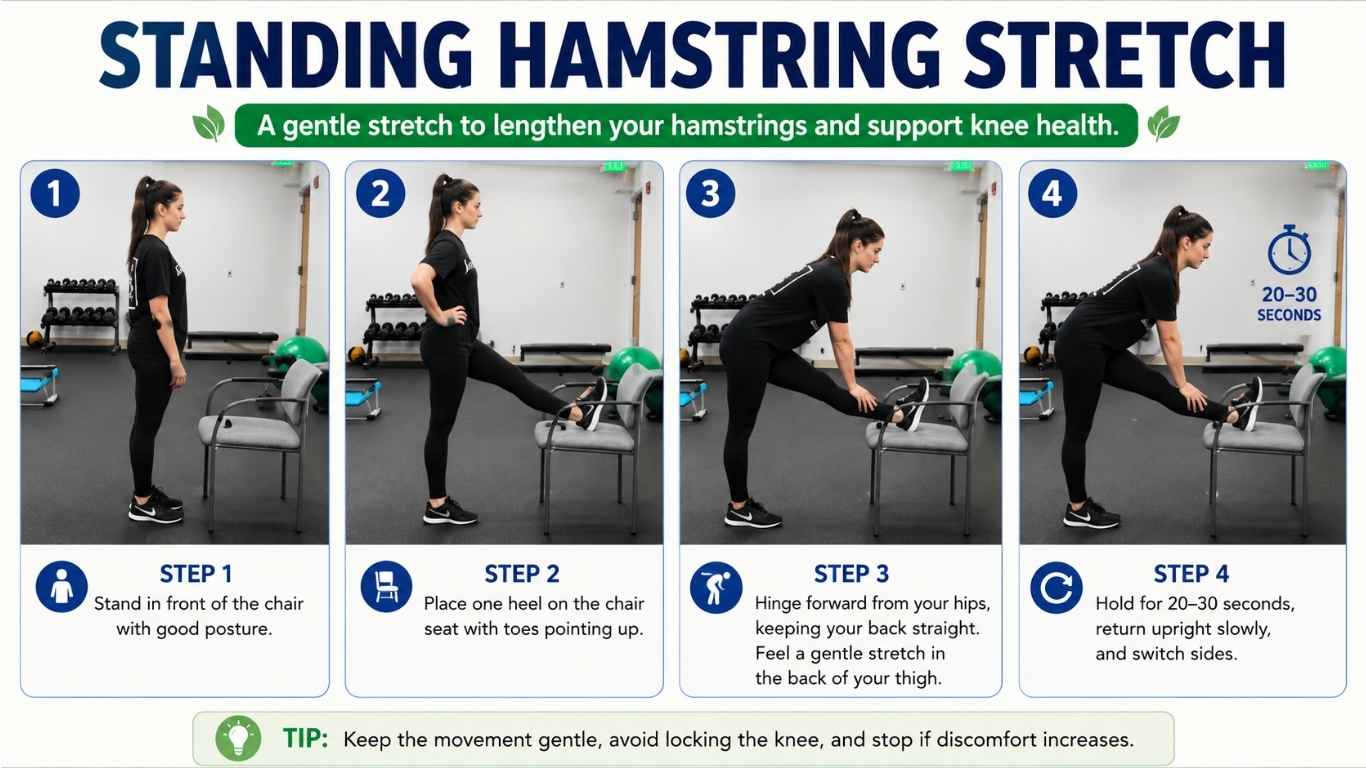
Standing Hamstring Stretch gently lengthens the muscles along the back of your thigh while keeping the knee supported. Stand behind a chair, place one heel slightly forward, and keep that knee softly bent. Hinge forward from your hips without rounding your back, stopping at a mild stretch. Hold for 20–30 seconds, then return upright slowly and switch sides. This position supports leg flexibility and may make everyday movements easier. I’ve found the chair makes balance feel more secure and the stretch easier to adjust. Keep the movement gentle, avoid locking the knee, and stop if discomfort increases during the exercise.
Modified Low Lunge
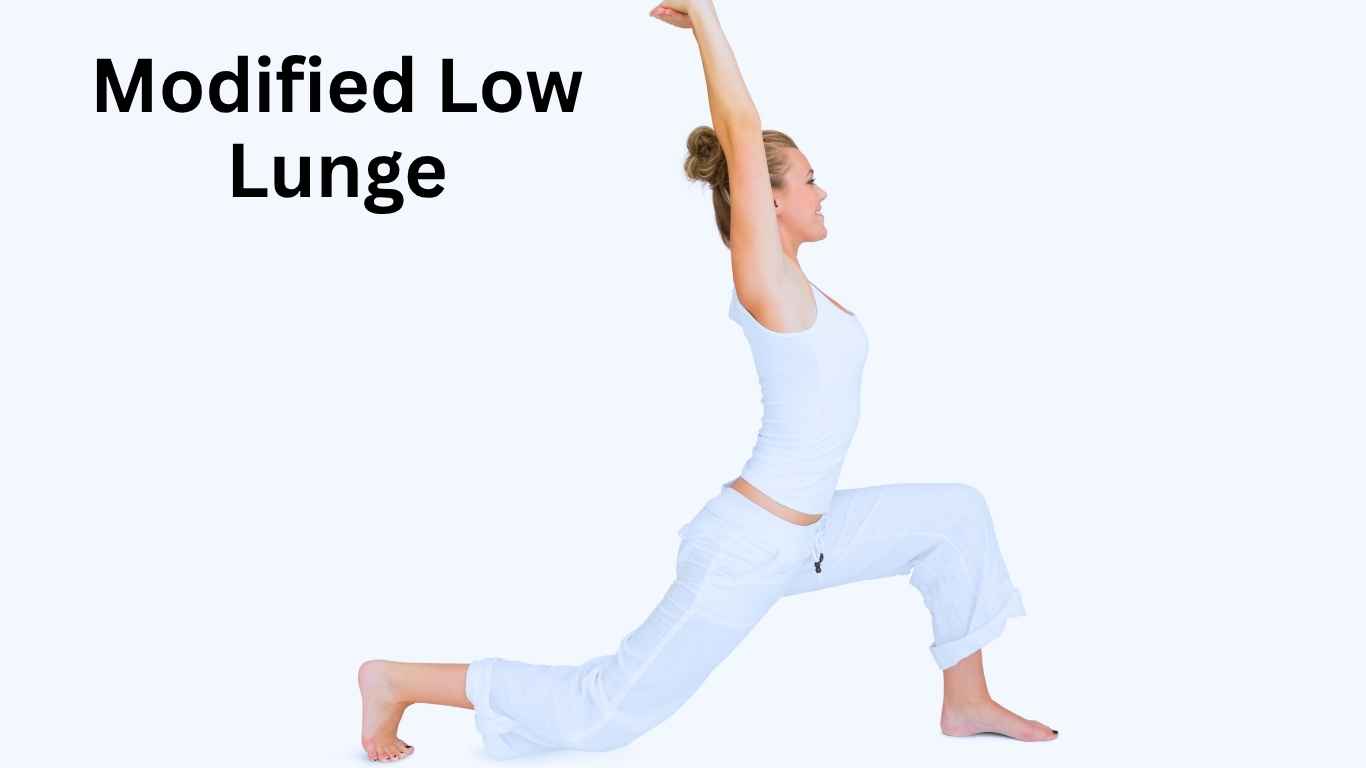
Modified Low Lunge gently opens the front of the hip while keeping the knee position supported. Start with one foot forward and place the opposite knee on a folded mat or cushion. Keep the front knee aligned over the ankle, then shift your hips slightly forward until you feel a mild stretch. Hold for 20–30 seconds, breathe naturally, and switch sides slowly. This variation supports hip flexibility and can complement knee arthritis exercise without requiring a deep lunge. Use extra padding beneath the kneeling knee, keep the range shallow, and stop if the position causes sharp or increasing discomfort.
Reclined Heel Slide
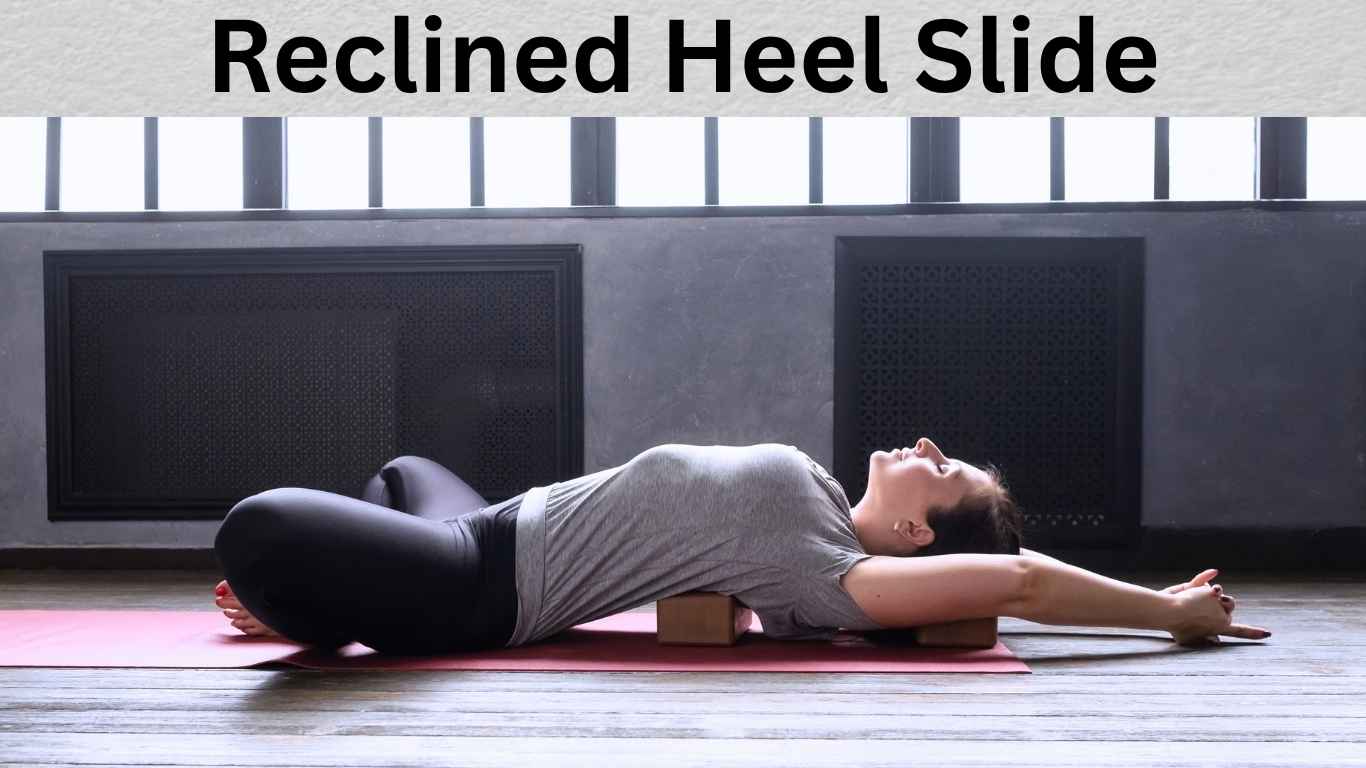
Reclined Heel Slide gently moves the knee through a comfortable range while keeping weight off the joint. Lie on your back with both legs extended, then slowly slide one heel toward your hips before returning it. Keep the motion smooth and avoid forcing the bend. This simple movement can be included in gentle exercises for arthritic knees to encourage flexibility and support everyday function. Perform 8–10 repetitions per side, breathe naturally, and stop if pain increases or the knee feels uncomfortable.
Supported Bridge Pose
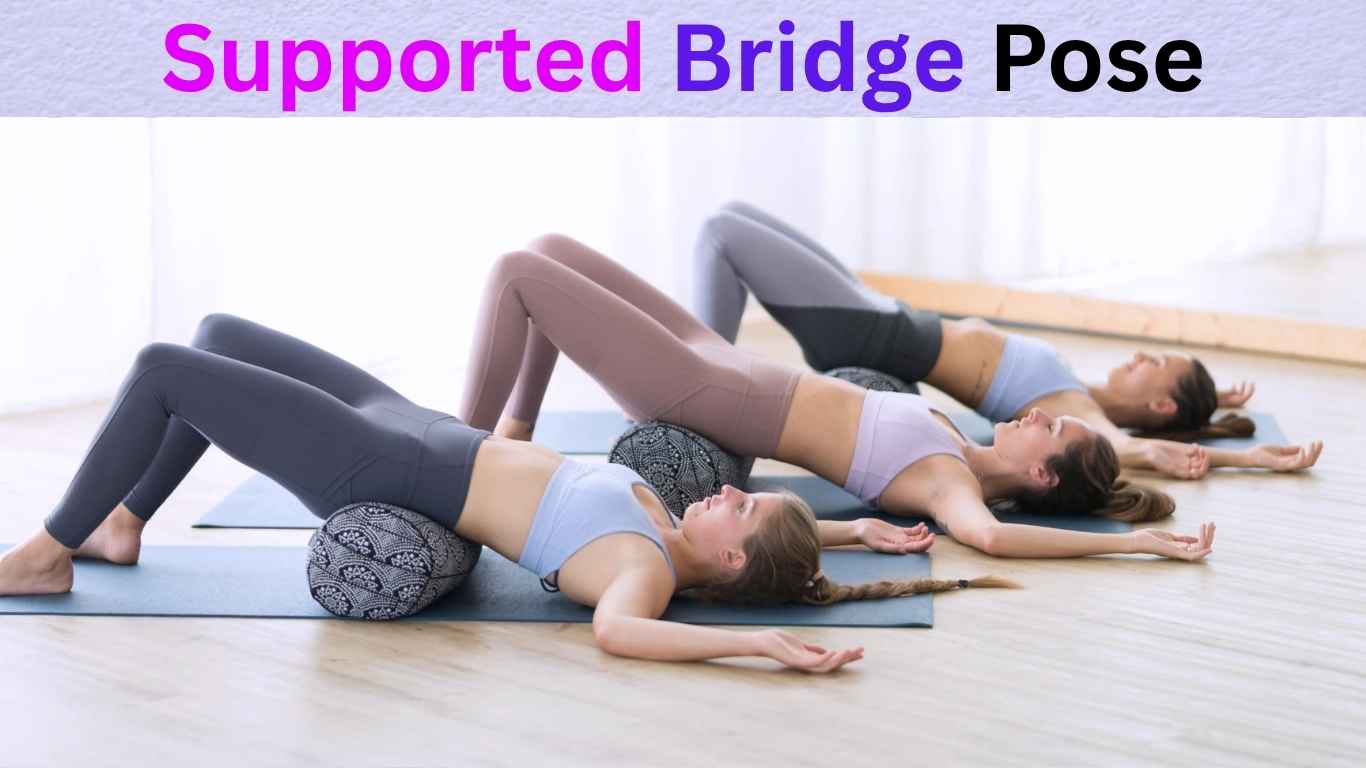
Supported Bridge Pose gently strengthens the hips and thighs while encouraging stable positioning through the knees. Lie on your back with your knees bent and feet hip-width apart. Press through your feet and slowly lift your hips without letting the knees move inward. Hold for 20–30 seconds, then lower with control and repeat 2–3 times. A small range is enough; there is no need to lift the hips high. This pose can support lower-body strength and stability, making it a useful addition to gentle yoga poses for knee pain. Keep your breathing steady and stop if discomfort increases.
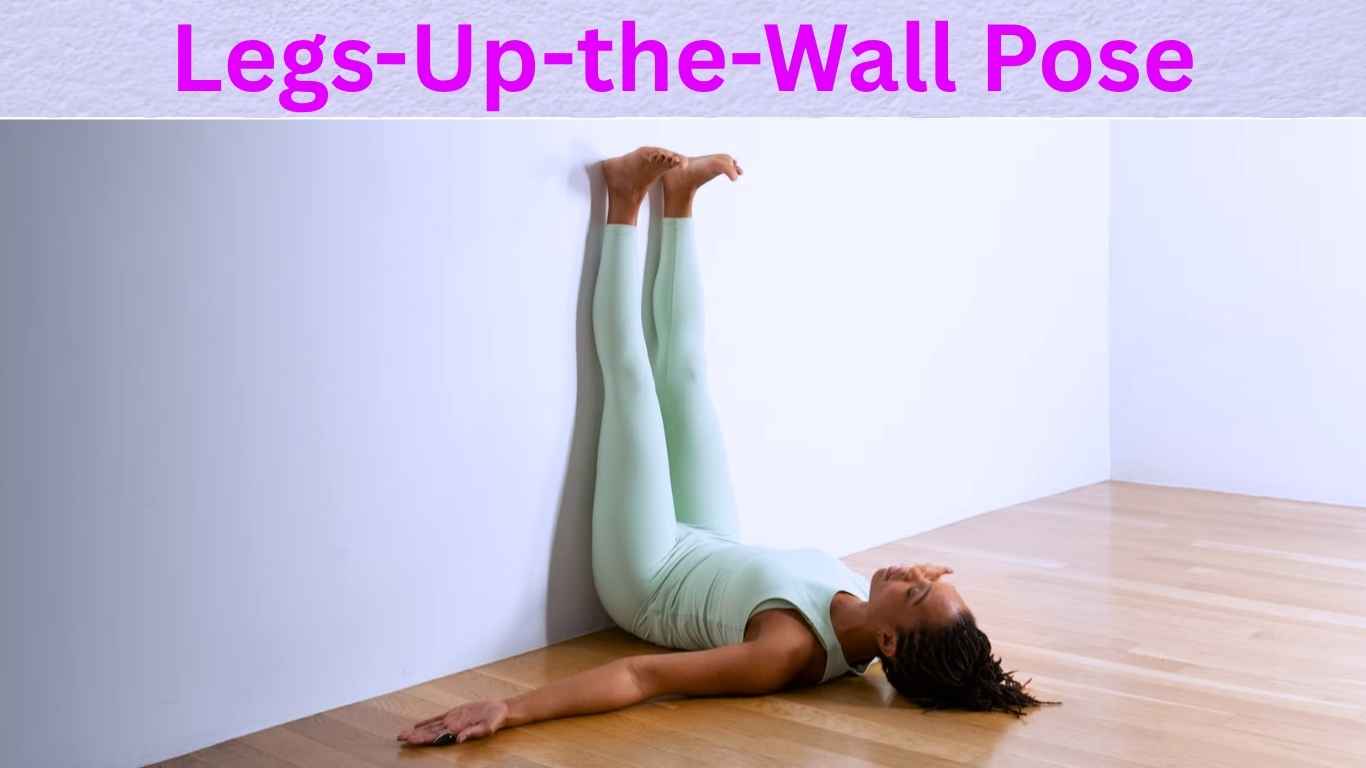
Legs-Up-the-Wall Pose
Legs-Up-the-Wall Pose provides a gentle, supported position with very little active loading through the knees. Sit sideways beside a wall, lower onto your back, and extend your legs upward against the wall. Keep your knees relaxed rather than forcing them straight. Rest your arms beside your body and breathe naturally for 2–5 minutes. To finish, bend your knees, roll onto one side, and slowly sit up. This restorative position can help you relax after more active poses while keeping pressure on the knees low. Use a folded towel beneath your head if additional support feels helpful.
What Research and Real-World Experience Suggest
Research involving people with knee osteoarthritis has found that modified yoga programs can improve symptoms, physical function, stiffness, and quality of life in some participants. One randomized trial with 83 adults also found improvements after eight weeks of Hatha yoga compared with education alone. These findings support using gentle, modified movements rather than forcing difficult poses, although yoga should complement—not replace—appropriate medical care. [Source: PubMed]
Build a 10-Minute Knee-Friendly Yoga Routine
This short routine combines gentle movement, flexibility, stability, and relaxation to support arthritic knees without making the session overly demanding.
| Pose | Time | Focus |
|---|---|---|
| Chair-Supported Mountain | 1 min | Stability |
| Heel Slides | 2 min | Knee movement |
| Hamstring Stretch | 1 min | Flexibility |
| Warrior II | 2 min | Strength |
| Modified Low Lunge | 1 min | Hip support |
| Supported Bridge | 2 min | Muscle support |
| Legs-Up-the-Wall | 1 min | Relaxation |
Start with the standing poses and move slowly between each position, keeping your knee bend comfortable. The routine gradually moves from stability and mobility toward gentle strengthening before ending with relaxation. If stiffness is strongest after waking, you can explore our Morning Stretches for Stiff Joints guide for a more suitable morning-focused sequence. Stop or modify any movement that increases pain or discomfort.
Common Mistakes When Practicing Yoga With Knee Arthritis
Small technique errors can make yoga less comfortable for arthritic knees, particularly when movements are rushed, unsupported, or performed beyond a manageable range.
- Going too deep into a pose
- Locking the knees during standing positions
- Moving too quickly between poses
- Ignoring new or increasing swelling
- Exercising through sharp or worsening pain
- Skipping a chair, wall, or other support when needed
Stay within a comfortable range, adjust poses when necessary, and pay attention to changes in pain, swelling, or knee stability during practice. Sitting for long periods and feeling stiff afterward?
➡️ How to Reduce Joint Stiffness After Sitting
Daily Habits That Support Arthritic Knees
Daily habits can complement your yoga routine by keeping your knees active without excessive strain. Consistent low-impact movement, supportive footwear, gradual progression, and healthy weight management may help maintain comfortable movement. These habits can also support yoga for knee arthritis by helping you maintain a consistent, manageable activity routine.
- Choose low-impact activities such as walking, swimming, or cycling.
- Wear supportive footwear that feels comfortable and stable.
- Avoid staying inactive for long periods.
- Increase activity gradually rather than making sudden changes.
- Maintain a healthy weight where appropriate to reduce stress on the knees.
Small, consistent changes can help you stay active while giving your knees the support they need throughout the day. If ankle stiffness also affects your movement, explore Ankle Mobility Exercises for Joint Flexibility for a more targeted routine.
When Should You Stop Yoga and Seek Medical Advice?
Stop your yoga session if you develop severe or increasing knee pain, significant swelling, or a feeling that the knee is unstable. You should also stop if you cannot comfortably bear weight through the affected leg. These signs may indicate that the current activity or intensity is not appropriate for your knee at that time.
If you have a recent knee injury, or your symptoms continue to worsen despite modifying your practice, seek advice from a healthcare professional before continuing. They can assess the underlying problem and help determine which movements or exercises are appropriate for your condition.
FAQ
Is yoga safe for knee arthritis?
Gentle yoga may be appropriate for many people when poses are modified to suit their comfort, strength, and movement ability. Avoid forcing painful positions, and consider professional guidance if you have significant symptoms or are unsure which movements are suitable.
What are the best gentle yoga poses for knee arthritis?
Supported options such as Chair-Supported Mountain, Chair-Assisted Warrior II, Reclined Heel Slide, and Supported Bridge can provide manageable movement without requiring deep knee bending. Choose variations that allow comfortable alignment and adjust the range whenever needed.
Can yoga reduce knee arthritis stiffness?
Yoga may help reduce stiffness and support physical function when practiced consistently. Gentle movements can encourage comfortable mobility while supporting the muscles around the legs and hips. Results vary between individuals, so yoga is best considered part of a broader exercise approach.
Which yoga poses should I avoid with knee arthritis?
Deep squats, forceful kneeling, and positions that cause sharp or increasing pain may need to be avoided or modified. Rather than automatically avoiding every challenging pose, focus on reducing depth, using support, and staying within a comfortable range.
How often should I practice yoga for knee arthritis?
Start with short, manageable sessions and focus on consistency rather than intensity. You can gradually increase your practice as your body adapts, provided your symptoms remain stable. If a movement repeatedly causes discomfort, reduce its range or choose a gentler alternative.
Can yoga replace other knee arthritis exercises?
Not necessarily. Yoga can complement strengthening, aerobic activity, physical therapy, or other exercises recommended for your condition. A balanced approach can address different aspects of strength, mobility, and physical function rather than relying on one type of movement alone.