
Neck pain can make everyday activities a hassle. Any of these factors – looking at your phone, sitting at a desk, or even sleeping the wrong way – can cause tension and pain in your neck. The positive side is that even minor adjustments can make a difference. Yoga for neck pain relief provides a simple way to relieve neck pain. By stretching out tight muscles and improving the range of motion, along with having a better posture. This guide will guide you through easy, comfortable poses, helpful tips, and simple habits you can easily incorporate into your day.

Understanding Neck Pain
Neck pain typically does not start with a traumatic injury, but with routine activities. Focusing on a phone for prolonged periods, sitting with rounded shoulders, sleeping in a wrong posture or performing repetitive movements can overload the muscles, joints and ligaments supporting the cervical spine. Some experience stiffness, decreased mobility, tightness in the muscles, headaches, or pain radiating towards the shoulders. Risk is increased for those who work in an office, if you are older, use a smartphone often and if you have a history of neck injuries or poor posture.
While most neck pain can be helped with movement and good posture, there are some signs and symptoms that should never be overlooked. If pain persists beyond a few days, does not get better, is severe, or radiates down into the arm with numbness, tingling, or weakness, seek medical attention. A fever, unexplained weight loss, difficulty with walking or changes in bladder or bowel control also should be assessed promptly as they may indicate a more serious underlying condition.
Can Yoga alleviate Neck Pain?
Many people ask themselves, can yoga really help to alleviate neck pain? If done correctly it can. Slow and gentle motion is used to stretch out tight muscles for increased flexibility and strengthen neck supporting muscles. Practices also help to improve neck mobility, and promote good posture, which decreases strain on the cervical spine during the day-to-day activities.
Yoga should not be painful, it should be comfortable. Stretches and breathing done slowly and steadily helps to relax tension without stressing joints. A simple routine can help alleviate stiffness, improve mobility and promote long-term health of the neck, particularly if you practice good posture and maintain healthy lifestyle habits.
Several studies have found that yoga programs combining gentle stretching, strengthening, and relaxation may help improve neck function and reduce pain intensity in some people with chronic neck pain. Results vary from person to person, and yoga should be practiced within a comfortable range.
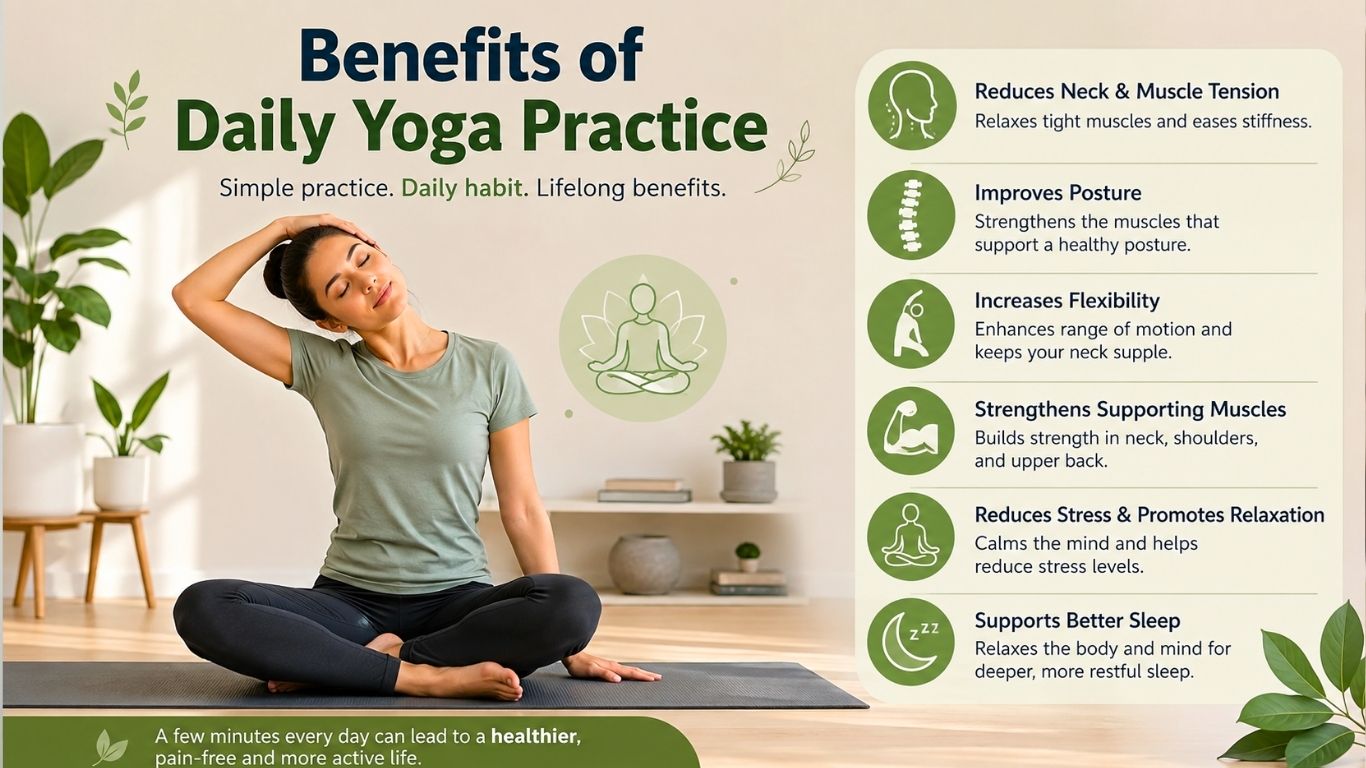
Benefits of Daily Yoga Practice
Yoga is not only great for relieving neck pain, but it’s great to practice every day. Soft exercises preserve neck mobility, build up strength in neck supporting muscles and over time lead to better posture. Spending just a few minutes a day can help develop healthier movement patterns and can be incorporated into a daily routine to help relieve neck pain.
Here are some of the main benefits of practicing neck yoga every day:
- Restores mobility to the stiff necks
- Improves posture naturally
- Increases neck flexibility
- Strengthens supporting muscles
- Reduces muscle tension
- Helps to facilitate easier neck movement
Within 2-4 weeks of practicing regularly most people experience a decrease in stiffness and improved movement, depending on the source of the pain. Neck yoga is appropriate for office workers, students, older people and those experiencing mild stiffness or neck pain due to poor posture.
Safety Tips Before You Start
Take a few minutes to warm up your body before beginning any routine. The right warm up will provide better circulation, stretch tight muscles and help to reduce risk of strain. The phrase yoga for neck pain relief is best suited if all the movements are pain free, slow and controlled.
Pre-practice and practice safety tips:
- Do some warm ups at the beginning, 3-5 minutes
- Progress slowly without twisting movements
- Only stretch into a comfortable range
- Don’t force a painful position.
- Do not allow your shoulders to become tense.
- Stay in each pose with a continuous breathing pattern
- Cease if pain is sudden and sharp
- If there is numbness or weakness, consult yoga instructor a doctor.
The best way is to listen to your body. A certain amount of stretching is normal, but sharp pain, dizziness, tingling or weakness is not. If these symptoms are present, discontinue use, and seek advice from a health care provider before using again.
Top 10 Yoga Poses to help ease neck pain.
There are a number of yoga poses that can help release tension, restore a proper posture, and allow for comfortable movement without any additional strain on the neck. Perform each pose slowly and with controlled movements and breath. These stretches can help reduce neck stiffness in the long run and help you move better throughout the day (with regular practice).
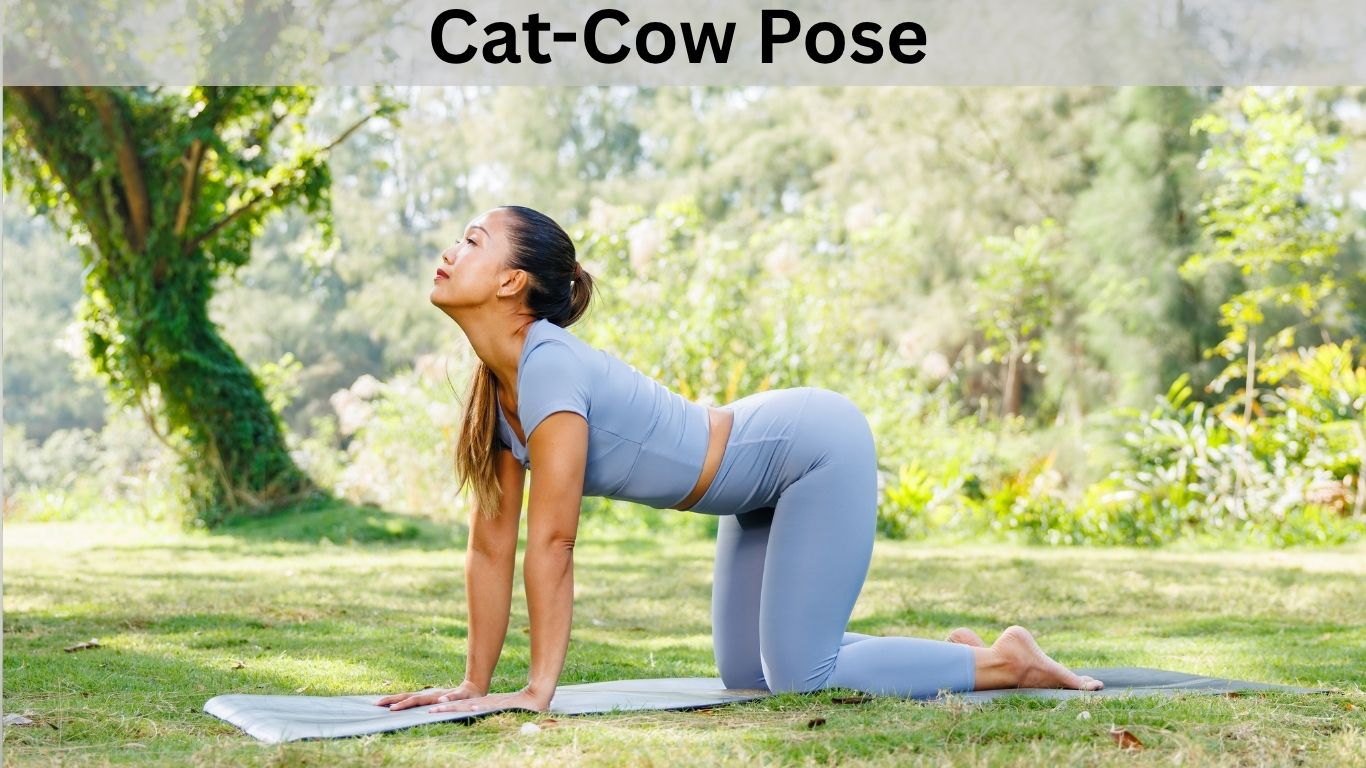
1. Cat-Cow Pose
Cat-Cow Pose gently enhances mobility of the spine, relaxing constricted muscles around the neck and shoulders. Position yourself on all fours with wrists underneath shoulders. Breathe in while rising chest and tail bone and breathe out when curves back and lowers head. Do this again for 8-10 slow breaths. Slide gently into position rather than forcing the neck into an extreme position and stop if sharp pain or dizziness is felt.
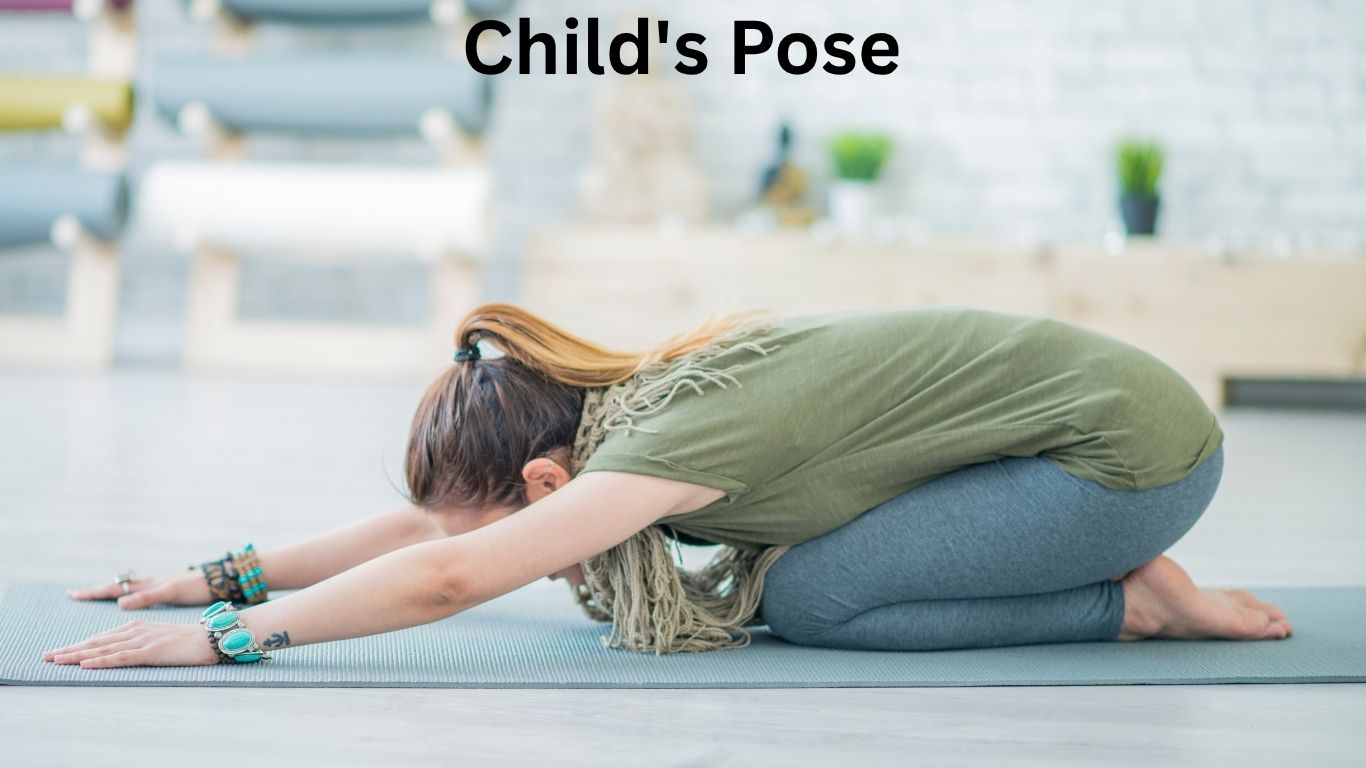
2. Child’s Pose
Child’s Pose is a restorative stretch to relieve tension in the upper back, shoulders, and neck. Position yourself on your knees on the mat, sit back onto your heels and stretch your arms forward, resting your forehead on the mat or cushion in a comfortable position. Stay in place for 30-60 seconds, breathing slowly. If knees or neck start to feel fatigued, a folded blanket can be used for added support and do not push head down.
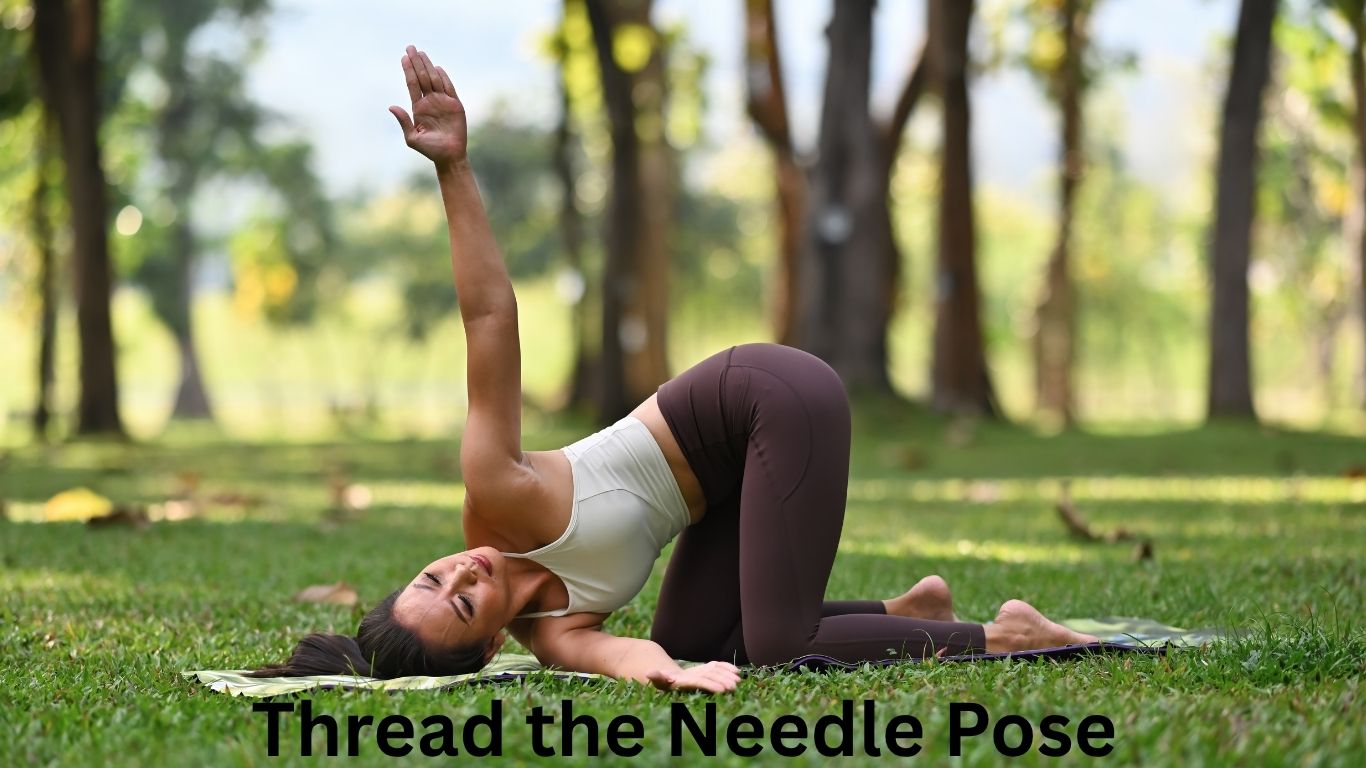
3. Thread the Needle Pose is position
Needle Thread Pose is used to stretch and massage the muscles between the shoulders and upper back, allowing the neck to relax and feel lighter. Start on all fours, put opposite arm under arm and place shoulder and side of head on mat. Pause to take some deep breaths in the position then repeat on the other side. Do not twist more than is comfortable for your neck to improve neck mobility safely.
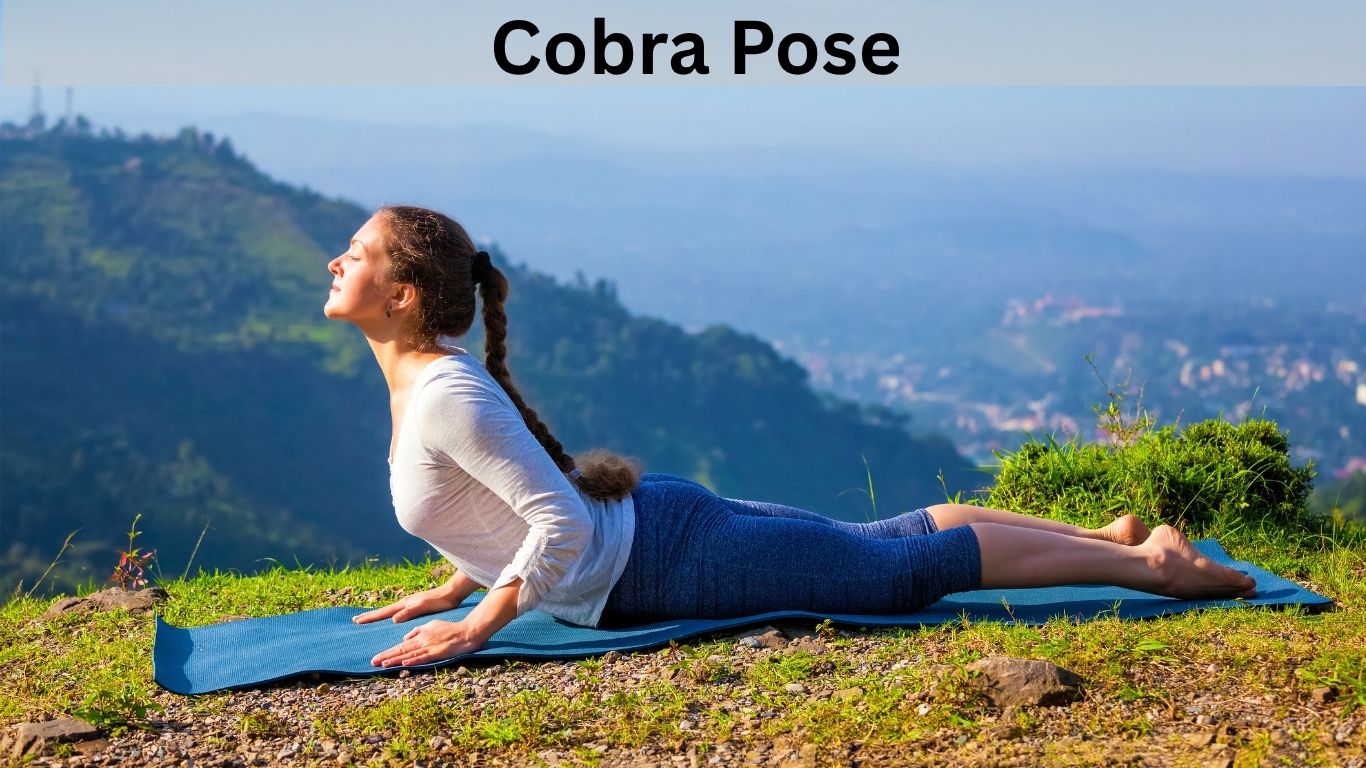
4. Cobra Pose
Cobra Pose can help to improve posture, lessen strain to the neck, and build strength in the upper back. While lying face down with your palms next to your chest. Press down on your hands and raise your chest up; elbows slightly bent and shoulders relaxed. Pause for 15-20 seconds and then slowly lower. Do not over extend your lower back or raise your chin up too high, particularly if you are experiencing continued neck pain.
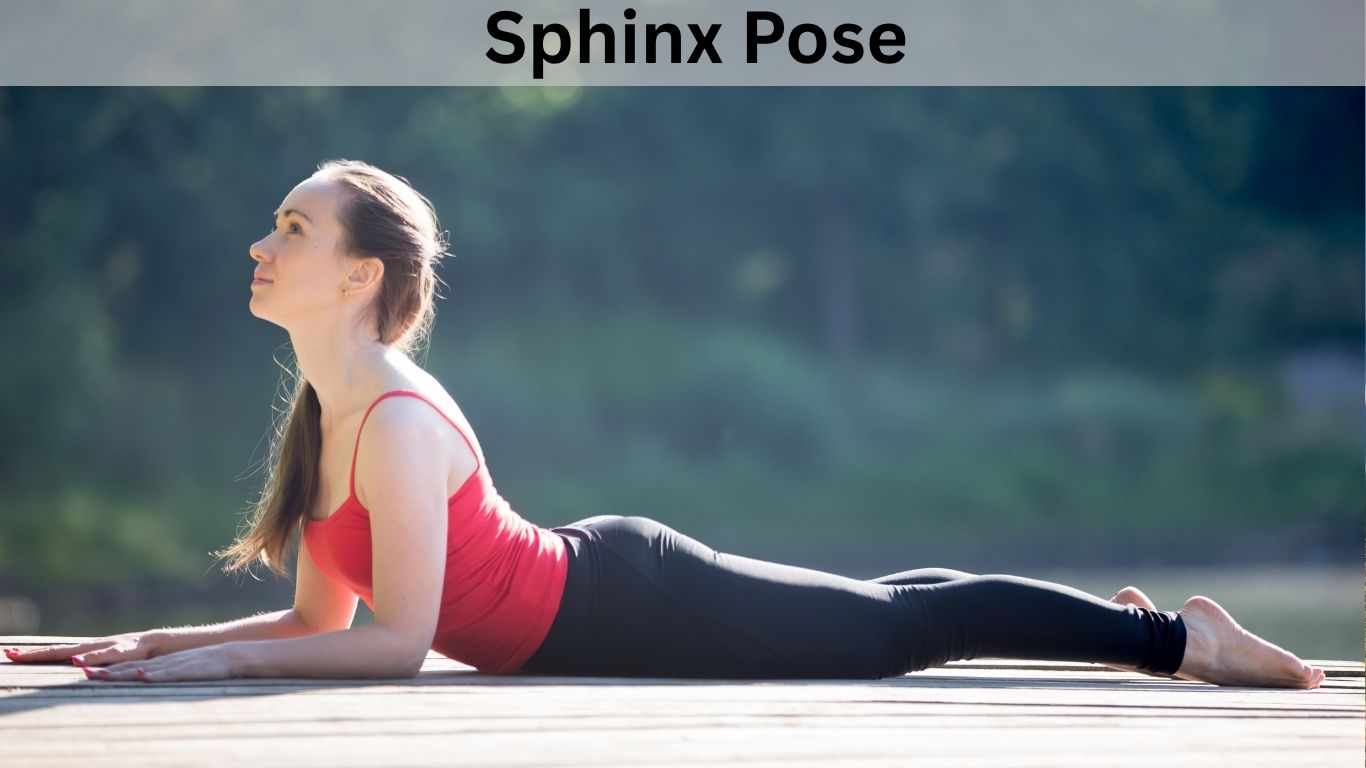
5. Sphinx Pose
Sphinx Pose is a gentle backbend that strengthens the upper back and helps to release tension around the neck, while not overloading the spine. Lying on your belly, place forearms on the ground with elbows underneath shoulders. Gently raise the chest, relax the shoulders. Maintain position for 20-30 seconds, breathing normally. Do not shrug shoulders or bend head back.
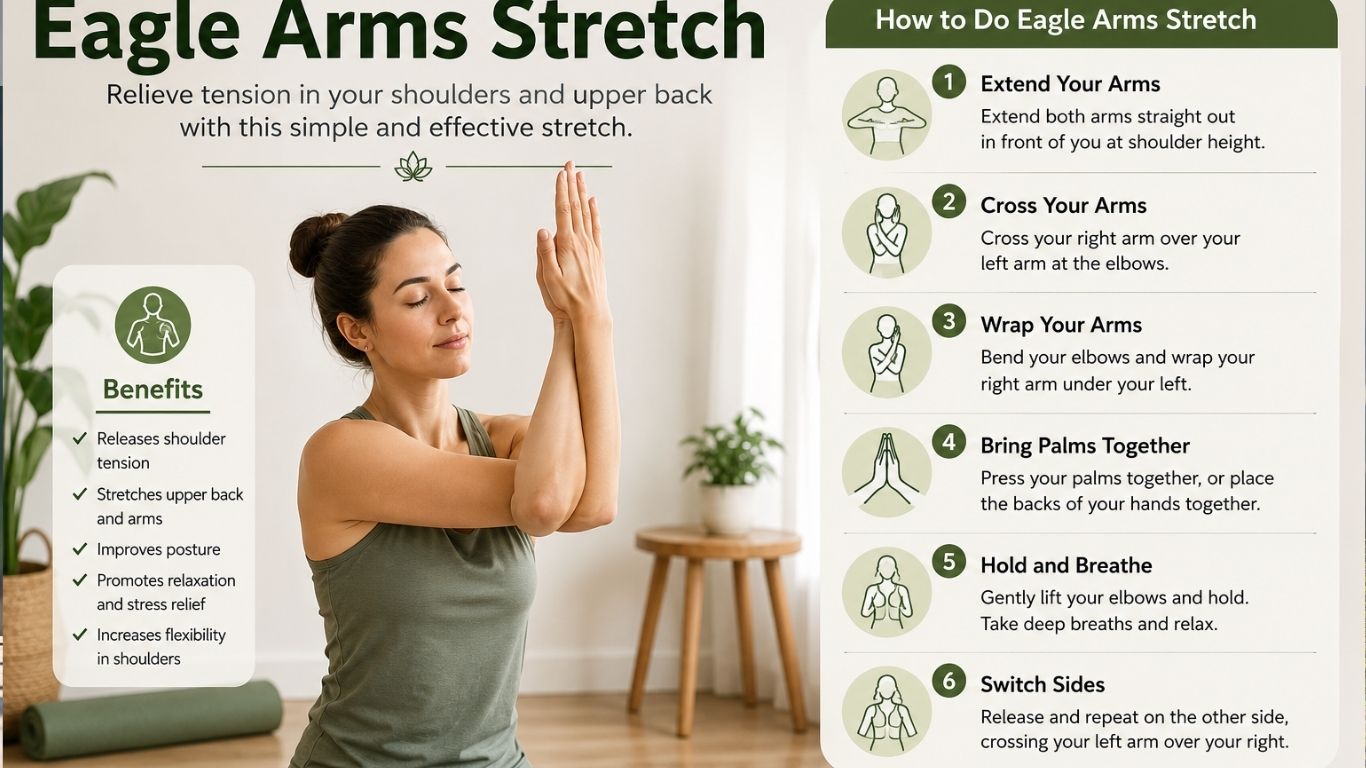
6. Eagle Arms Stretch
Eagle Arms Stretch alleviates stiffness between shoulder blades and flexibility in the upper back and neck. Sitting or standing comfortably, stretch your arms out in front of you and cross one arm over the other so that your palms are touching or close together. Raise elbows up a bit and hold for 20-30 seconds and then do opposite side. Always allow shoulders to be loose and never “force” arms into position if it is uncomfortable.
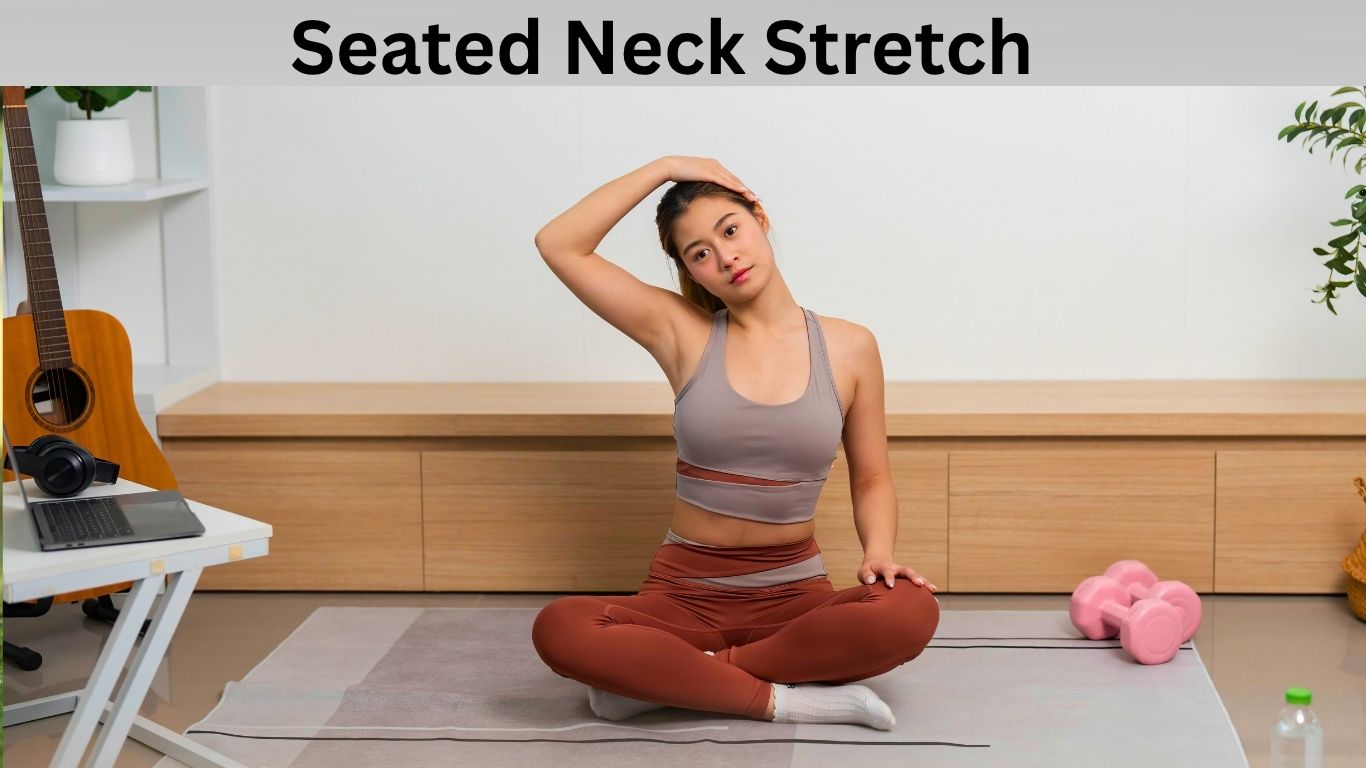
7. Seated Neck Stretch
Seated Neck Stretch will help release tension from the neck muscles and enhance flexibility if you have spent a long time sitting. Sitting up straight with shoulders relaxed. Gently lean head towards one shoulder until stretch is felt on opposite side. Holding for 20-30 seconds, and then repeat on the other side. Avoid pulling the head with the hand and don’t bounce with the body during the stretch.
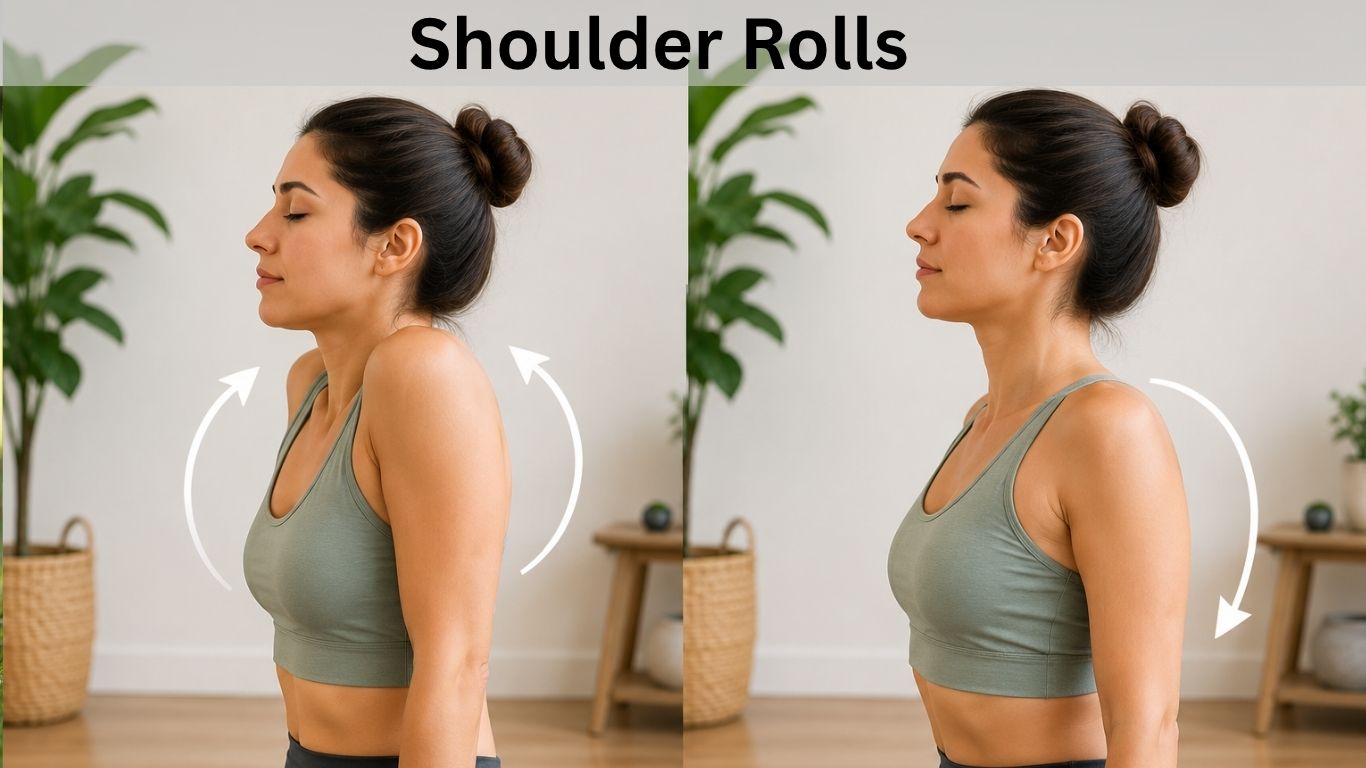
8. Shoulder Rolls
Shoulder Rolls help to increase blood flow and eliminate tension from the back of the neck and shoulders. While sitting or standing with the back straight, roll shoulders forward a number of times then backward. Maintain a smooth and controlled flow of the movement with natural breathing. This simple exercise is particularly beneficial before practicing yoga or after sitting at your desk. Do not rush or raise shoulders towards your ears.
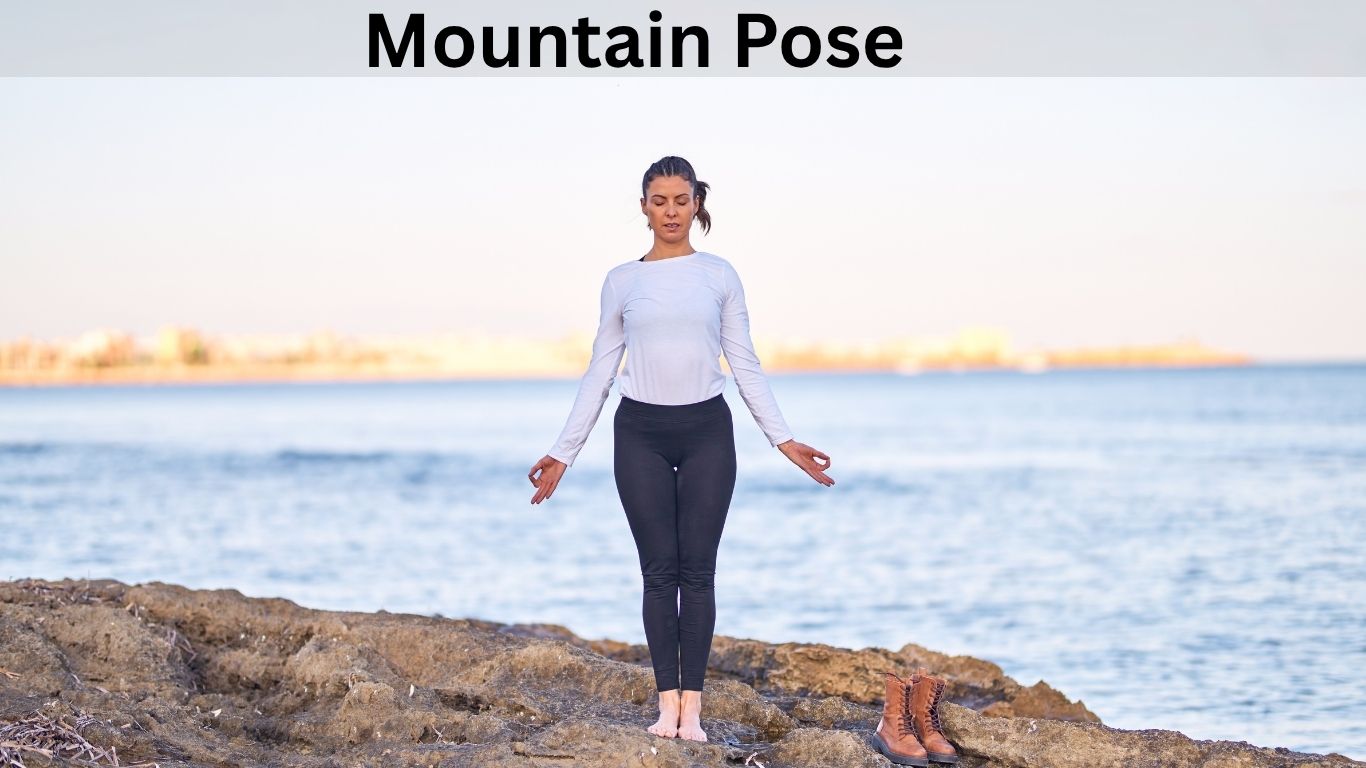
9. Mountain Pose
Although it sounds easy, Mountain Pose helps develop good posture and body alignment towards minimizing unnecessary strain on the neck. With feet together or hip width apart; spine tall, shoulders relaxed, and gaze straight ahead. Take a deep breath and maintain body balance. Do not lock the knees or lead with the top of the head as this may increase the load on the neck.
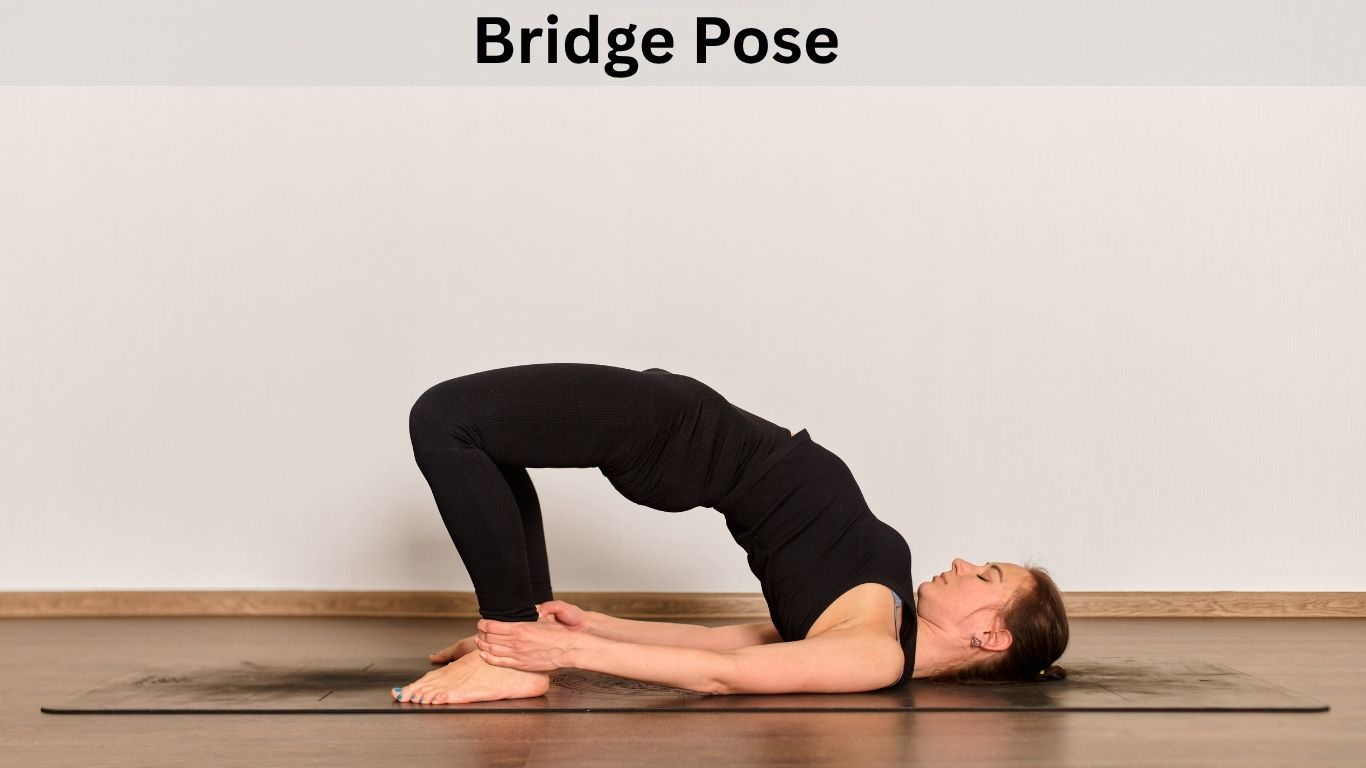
10. Bridge Pose
Bridge Pose helps to strengthen the back, shoulders, and core, and also provides support for the spine around the neck. While lying on your back with your knees bent and feet flat on the floor. Squeeze your feet and carefully raise your hips so that your body is straight from shoulders to knees. Pause for 15-20 seconds and slowly and gently descend. Do not move the neck during the posture and refrain from rotating the head during the posture.
Daily Yoga Routine for Neck Pain
Doing a little work day after day is more effective than long, sporadic workouts. Few minutes a day of gentle stretching can help to stretch out tight muscles, allow flexibility, and create healthy movement habits. Consistent exercises can also help you improve neck mobility, and make life easier.
5-Minute Morning Routine
Brief morning routine to relax muscles and get your neck ready for the day. Do Shoulder Rolls for 1 minute to loosen tightness around the shoulders. Continue with Cat-Cow Pose for 1 minute, moving slowly with your breath to warm up the spine. Then, do a Seated Neck Stretch (30 seconds on both sides). Conduct finish pose – Child’s Pose for 2 minutes, breathing slowly and deeply. Don’t rush through the poses; do not go past the comfortable range.
10-Minute Evening Routine
Yoga in the evening can help unwind your muscles that have been stressed throughout the day from sitting, driving or using digital screens. Begin Cat-Cow Pose for 2 minutes to lightly move through the spine. Repeat Thread the Needle Pose for 1 minute on each side to relax the shoulders and upper back. Sphinx Pose can be held for 2 minutes to enhance posture and strengthen upper back. Conduct a slow breathing session ending with Child’s Pose and a Seated Neck Stretch. This exercise can help you relax your body at bedtime.
Weekly Practice Schedule
To get the best outcome, do neck yoga at least 4–5 days a week. For the first two weeks, spend 5-10 minutes each time to help the body get used to it. After movements are comfortable, slowly build up your practice to 15-20 mins. Have different stretches that don’t repeat the same position. Allow your muscles to rest by taking one or two rest days a week. If you’re feeling any pain that doesn’t go away, slow down and consult with a healthcare provider before continuing.
Advice for Success
Little consistency in your habits can have a greater impact than longer sessions a few times a year. Practice good form, don’t overstretch.
- Practise at the same time each day.
- Inhale and exhale slowly during each of the poses.
- Move with control – not in a rush.
- Maintain good posture during the day.
- Ensure adequate pre- and post-practice fluid intake.
- If you experience any sharp pain, stop right away.
To achieve lasting improvement the key is consistency. By practicing these simple habits, you can make your practice safer, minimize discomfort throughout the day and maintain a stronger, more flexible neck over time.
Improve Your Posture to Prevent Neck Pain
Having good posture helps prevent excess strain on your neck during daily activities. People who spend a lot of time sitting, using their phone, or working at a computer are more likely to develop poor posture. Common signs include rounded shoulders, forward head posture, and neck pain. These bad neck habits can increase neck stiffness over time.
Forward head posture puts additional strain on the cervical spine as the head moves forward from its natural position. This places more stress on the muscles and joints in the neck and can cause stiffness, headaches, and restricted neck movement. To reduce this unnecessary stress, keep your ears aligned with your shoulders.
Proper sitting and standing posture helps support a healthier neck every day. Sit with your back supported, shoulders relaxed, and feet flat on the floor. Position your screen at eye level so you don’t have to look down or slouch. Stand tall, distribute your weight evenly, and move around regularly to avoid muscle tension.
Daily Posture Tips
Small posture changes can make a big difference over time. Being mindful of your posture while sitting, standing, and using your phone can help reduce neck stiffness and prevent unnecessary strain. Building consistent habits is more effective than making occasional changes.
Here are some easy-to-follow posture tips for every day:
- Keep your head aligned with your shoulders
- Sit with your back fully supported
- Keep your shoulders relaxed
- Position your screen at eye level
- Avoid looking at your phone for long periods
- Move every 30–60 minutes
- Stand evenly on both feet
- Stretch your neck and shoulders daily
Building healthy posture takes time, but small daily improvements can prevent future discomfort and help your neck feel stronger and more relaxed.
Want to improve your posture with targeted exercises? Explore these helpful guides:
How to Prevent Text Neck
Text neck develops when you keep your head bent forward for long periods while using a phone, tablet, or laptop. This repeated position places extra pressure on the neck muscles and cervical spine, often leading to stiffness, shoulder tension, headaches, and limited movement. Making small posture changes early can “(reduce neck stiffness)” and protect your neck from long-term strain.
The most common causes include holding your phone below eye level, working with poor posture, spending hours on digital devices, and rarely taking movement breaks. These habits force the neck muscles to work harder than they should, increasing fatigue and discomfort.
Simple prevention starts with everyday habits. Hold your phone at eye level, keep your ears aligned with your shoulders, avoid looking down for long periods, and take short breaks every 30–45 minutes. Gentle stretching, proper workstation setup, and regular movement throughout the day can significantly lower the risk of developing text neck.
Best Daily Habits
Healthy daily habits are the best way to keep your neck strong and comfortable. Small adjustments to the way you sit, stand, and use your phone can prevent unnecessary strain. Following these habits consistently can “(improve neck mobility)” and support better posture throughout the day.
Make these habits part of your daily routine:
- Hold your phone at eye level
- Sit with your back properly supported
- Keep your screen at eye level
- Relax your shoulders while sitting
- Stretch your neck every hour
- Change your posture regularly
- Sleep with proper neck support
- Stay active throughout the day
These simple habits may seem small, but they make a lasting difference when practiced consistently. Protecting your neck today can help you avoid discomfort and posture-related problems in the future.
Want to correct your phone posture and relieve neck strain? Explore our detailed step-by-step guide: How to Fix Text Neck from Phone Use
Neck Pain Relief for Office Workers
Since many office workers spend long hours sitting in the same position, neck pain is a common occurrence. Sitting in front of a computer screen for long periods of time, sitting in an improperly adjusted chair, and not moving around much during the day puts constant strain on the neck muscles. In the long term, this may cause stiffness, headaches and tension in the shoulders.
Many of these problems can be avoided with a proper work station and regular activity. Good eye level, posture and regular breaks throughout the day will help to reduce stress on the cervical spine. Good work habits and simple stretches can also help to reduce neck stiffness and improve neck function.
Healthy Workplace Habits
Using good workplace habits safeguards your neck, even on a hectic workday. Before muscles become painful, small changes in your daily routine can improve neck mobility.
Make these habits a part of your workday:
- Monitor should be at eye level
- Sit with back fully supported
- Make an hour movement break
- Make sure to stretch your neck and shoulders often
- Release tension in shoulder muscles when typing
- Do not let feet come off the ground
Repeating these daily will make for a healthier work environment and reduce neck pain associated with a poor posture. Any activity for a few minutes a few times a day can make a difference.
Want some exercises you can perform at your desk? Do the full program outlined below: Desk Stretches for Office Neck Tension
Morning Habits for a Healthy Neck
Many people get a stiff/ sore neck in the morning without knowing why. The body’s position during sleep, the quality of sleep, the pillow, muscle tension or any of these factors can cause discomfort in the morning. Several simple morning exercises will help to ease tight muscles, increase flexibility, and get your neck ready for the day. Getting started in the morning with the right movement also helps stave off the increase of stiffness over time.
Why Your Neck Feels Stiff in the Morning
The muscles typically become stiff during the night due to being in the same position. Any of the following may cause unnecessary stress on the cervical spine: poor spinal alignment, sleeping on your stomach, muscle tightness or a pillow that’s too high or too flat. This can cause tightness, pain or stiffness in your neck upon waking. Enhancing your sleeping position and supporting your neck properly can do a lot to eliminate stiffness in the morning.
Best Morning Stretches
- Begin with slow turning of the head.
- Slowly roll shoulders.
- Do a neck stretch in the seated position to the side.
- Practice Cat-Cow Pose
- Complete with Child’s Pose and deep breathing.
Sleeping Position Tips
- Sleep on your back or side
- Maintain a neutral position in your neck
- Try not to sleep on your stomach.
- Keep proper posture of the spine
- Turn to a different side if you feel uncomfortable in your bed.
Choosing the Right Pillow
- Ensure your pillow conforms to your neck’s shape
- Opt for a medium-sized pillow.
- Replace worn-out pillows regularly
- Don’t use pillows that are too tall or flattish.
- Choose a pillow that suits your sleeping style.
The following simple morning routines can decrease the discomfort that you experience on a day to day basis and help the neck feel more relaxed at the start of the day.
Want a complete routine to loosen a stiff neck after waking up? Follow the guide below: Morning Stretches for a Stiff Neck
Yoga for Cervical Spondylosis
Cervical spondylosis is the most common condition caused by the natural ageing of the discs, joints and bones in the neck. It can lead to pain in the neck, stiff neck, headaches, decreased flexibility, or pain that radiates from the neck to the shoulder and arms. Although the condition cannot be corrected, it can be managed effectively with proper care and gentle motion to maximize comfort in daily living.
With proper practice, Yoga can be a safe and supportive practice. Gentle postures include Cat-Cow, Child’s Pose, Sphinx Pose and gentle neck stretches which promote flexibility, relaxation of muscles and good posture. Do not do deep back bends, make strong rotations of the neck, or have any movements that make the pain, numbness, tingling, or dizziness worse. Each stretch should be easy and not forced.
If symptoms get worse or do not improve after a few weeks or if there is weakness, numbness, problems with balance or pain that radiates into the arms, consult a medical professional before performing this routine. You may be able to find exercises that are appropriate for your condition and safely performed with the help of a health care professional or physical therapist and without putting undue stress on your cervical spine.
Want a step-by-step routine designed specifically for cervical spondylosis? Read the complete guide below: Exercises for Cervical Spondylosis at Home
Common Mistakes That Make Neck Pain Worse
Many people unknowingly make everyday mistakes that increase neck pain instead of relieving it. Poor posture, sudden movements, and ignoring early symptoms place extra stress on the neck muscles and joints. Avoiding these habits can reduce neck stiffness and help protect your neck from long-term discomfort.
Avoid these common mistakes:
- Looking down at your phone for long periods
- Sitting with rounded shoulders
- Forcing your neck beyond a comfortable range
- Holding the same position for too long
- Using a pillow without proper support
- Ignoring pain during yoga or exercise
Small changes in your daily routine can make a noticeable difference over time. Practicing good posture, moving regularly, and stretching safely are simple habits that help keep your neck healthy and comfortable.
FAQ
Is Yoga Good for Neck Pain?
Yes. Gentle yoga can help relieve mild to moderate neck pain by improving flexibility, reducing muscle tension, strengthening supporting muscles, and encouraging better posture. For the best results, practice regularly and avoid movements that cause pain.
Which Yoga Pose Works Best?
There is no single best pose for everyone. Cat-Cow Pose, Child’s Pose, Sphinx Pose, and Seated Neck Stretch are among the most effective options because they gently improve mobility and reduce tension without placing excessive stress on the neck.
Can Beginners Practice These Poses?
Yes. Most gentle neck yoga poses are beginner-friendly when performed with proper technique. Start slowly, avoid overstretching, and stop immediately if you feel sharp pain, dizziness, or numbness.
How Often Should I Do Yoga?
Practicing yoga for 10–20 minutes, four to five days a week is enough for most people. Consistency is more important than long sessions, and regular practice usually provides better long-term results.
Is Yoga Safe for Cervical Spondylosis?
Yes, but only with gentle poses and proper guidance. Avoid forceful neck movements, deep backbends, and any exercise that increases pain. If symptoms are severe or worsening, consult a healthcare professional before practicing.
Can Yoga Improve Posture?
Yes. Yoga strengthens the muscles that support the neck, shoulders, and upper back while increasing body awareness. Over time, this helps improve posture and reduces unnecessary strain on the cervical spine.
Can Yoga Help Text Neck?
Yes. Gentle yoga can reduce muscle tightness caused by prolonged phone or computer use. Combined with better screen habits and proper posture, it can help relieve discomfort and lower the risk of developing text neck.
How Long Before I Notice Results?
Many people notice less stiffness and better neck movement within two to four weeks of regular practice. Results vary depending on the cause of the pain, consistency, and whether healthy posture habits are maintained.
Final Thoughts
Yoga for Neck Pain Relief is not about quick fixes. It is about building healthy habits that support your neck every day. Gentle stretching, proper posture, and regular movement can gradually reduce discomfort, improve flexibility, and help you move with greater confidence. Start with simple poses, practice with proper form, and never push beyond your comfort level.
Stay consistent, even if you only have a few minutes each day. Small daily efforts often lead to lasting results over time. Listen to your body, be patient with your progress, and make neck care part of your routine. With regular practice and healthy habits, you can enjoy a stronger, healthier, and more comfortable neck.
📚 References
- Mayo Clinic – Neck Pain
- American Academy of Orthopaedic Surgeons (AAOS) – Neck Pain
- National Institute of Neurological Disorders and Stroke (NINDS) – Neck Pain
- NHS – Cervical Spondylosis
- Yoga Journal – Beginner Yoga Poses
This content is for informational purposes only and does not replace professional medical advice, diagnosis, or treatment. Consult a Yoga instructor or healthcare provider for any concerning symptoms.